
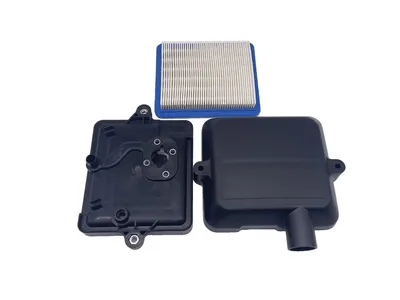
Air Filter Assembly for GX100 GXR120 GX160 GX200 G200 GX270 GX390 Gasoline Engines
Review the model, reference and old-part interface before quotation.
Add WS-GE-003 to RFQBrowse gasoline small-engine filters, carburetor parts, starters, ignition parts, pistons, gaskets, valves and internal references. Identify the engine independently from the host machine, then send the model, type or code, old-part reference and clear photos with the RFQ.
Search by engine maker, complete model, type or code, part number, product name or MachParts code. If the label is damaged, send the remaining stamp, a full-engine view and the old-part interface.
Example: GX160 carburetor insulator · Example: Robin EH12 air filter · Example: WS-FKE-004
These codes span common service and internal-part routes. Use the engine identification and old-part evidence to review the correct variation.
Review the model, reference and old-part interface before quotation.
Add WS-GE-003 to RFQ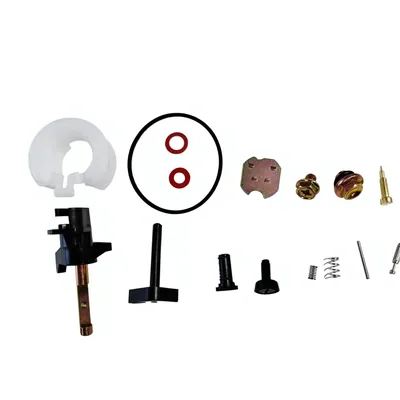
Review the model, reference and old-part interface before quotation.
Add WS-GE-005 to RFQ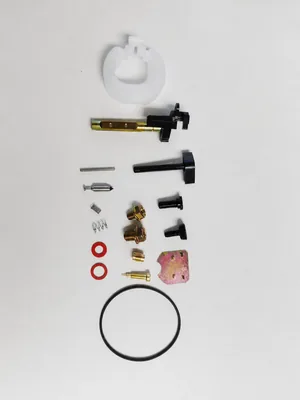
Review the model, reference and old-part interface before quotation.
Add WS-GE-007 to RFQ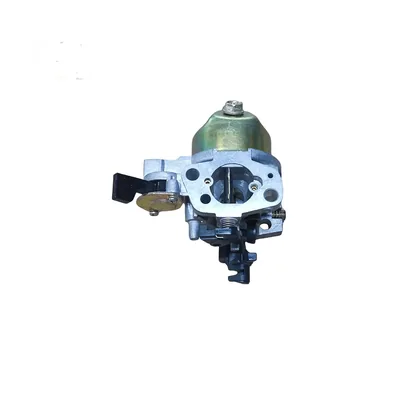
Review the model, reference and old-part interface before quotation.
Add WS-FGE-001 to RFQ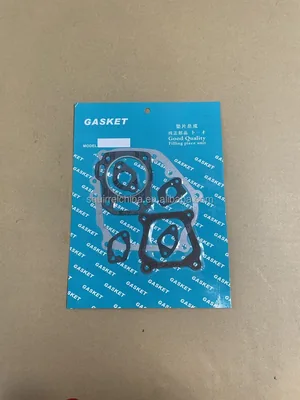
Review the model, reference and old-part interface before quotation.
Add WS-FGE-005 to RFQ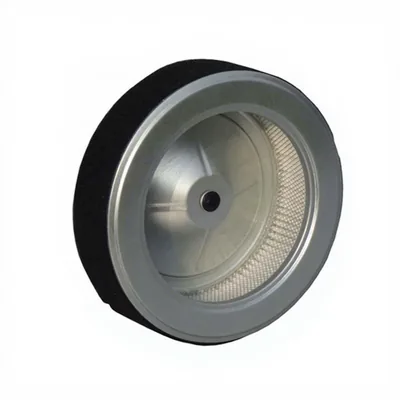
Review the model, reference and old-part interface before quotation.
Add WS-FGE-009 to RFQFilters should preserve both engine family and functional part type. A generic air-filter, carburetor or ignition category must not remove the engine-model context.
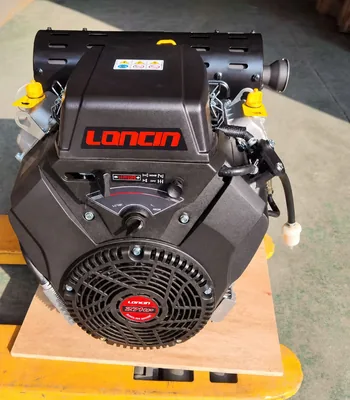
Review the model, reference and old-part interface before quotation.
Add WS-E-001 to RFQ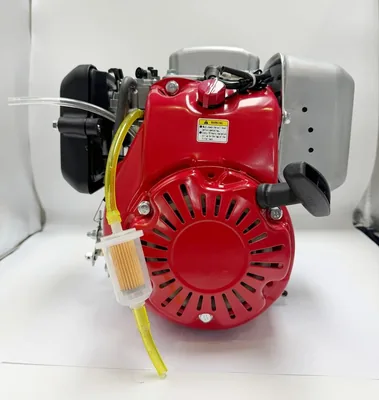
Review the model, reference and old-part interface before quotation.
Add WS-E-002 to RFQ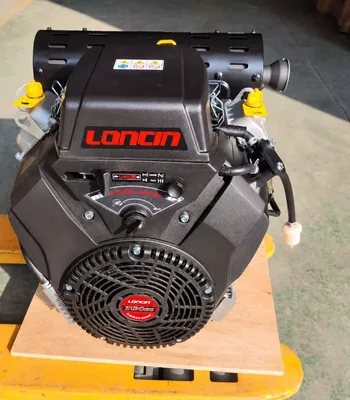
Review the model, reference and old-part interface before quotation.
Add WS-E-003 to RFQ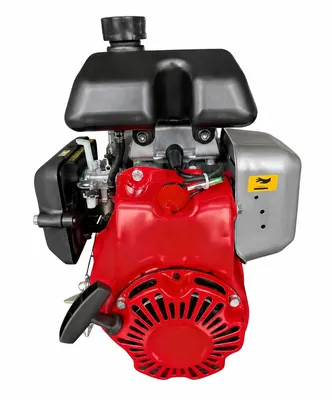
Review the model, reference and old-part interface before quotation.
Add WS-E-004 to RFQ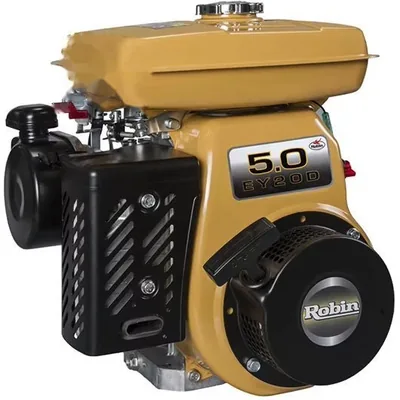
Review the model, reference and old-part interface before quotation.
Add WS-E-005 to RFQ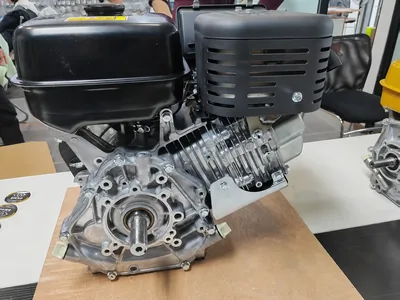
Review the model, reference and old-part interface before quotation.
Add WS-E-006 to RFQ
Review the model, reference and old-part interface before quotation.
Add WS-E-007 to RFQ
Review the model, reference and old-part interface before quotation.
Add WS-E-008 to RFQ
Review the model, reference and old-part interface before quotation.
Add WS-GE-001 to RFQ
Review the model, reference and old-part interface before quotation.
Add WS-GE-002 to RFQReview the model, reference and old-part interface before quotation.
Add WS-GE-003 to RFQ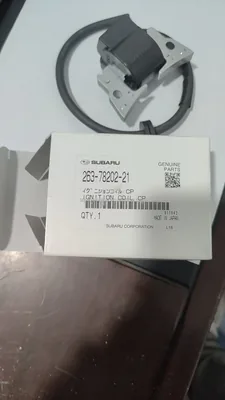
Review the model, reference and old-part interface before quotation.
Add WS-GE-004 to RFQReview the model, reference and old-part interface before quotation.
Add WS-GE-005 to RFQ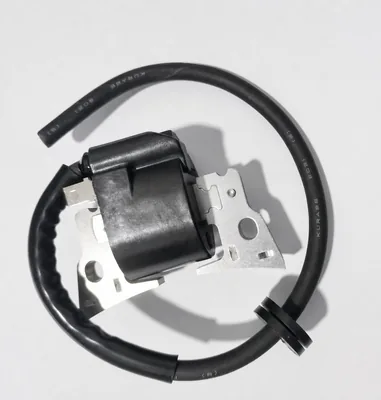
Review the model, reference and old-part interface before quotation.
Add WS-GE-006 to RFQReview the model, reference and old-part interface before quotation.
Add WS-GE-007 to RFQ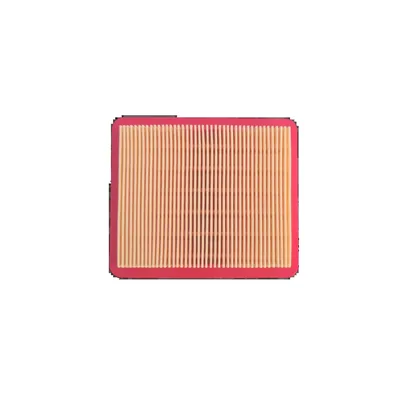
Review the model, reference and old-part interface before quotation.
Add WS-GE-008 to RFQ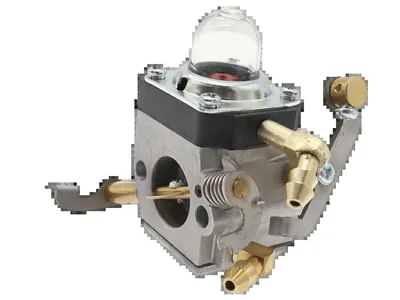
Review the model, reference and old-part interface before quotation.
Add WS-GE-009 to RFQ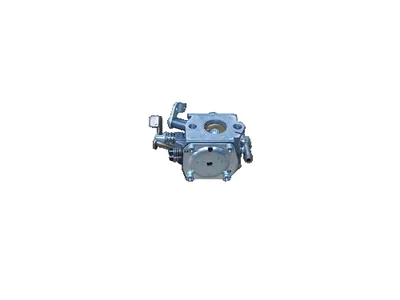
Review the model, reference and old-part interface before quotation.
Add WS-GE-010 to RFQ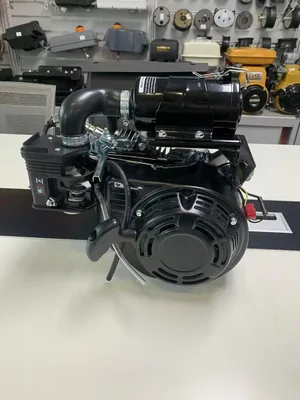
Review the model, reference and old-part interface before quotation.
Add WS-FLE-001 to RFQ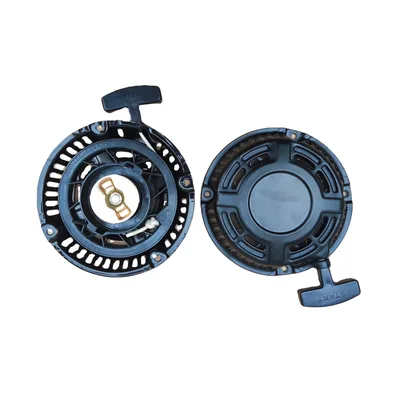
Review the model, reference and old-part interface before quotation.
Add WS-FLE-002 to RFQ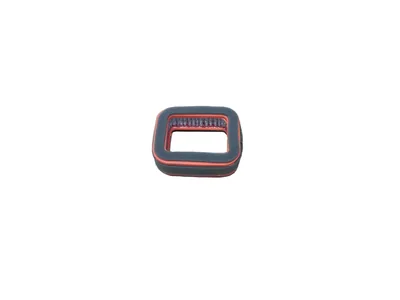
Review the model, reference and old-part interface before quotation.
Add WS-FLE-003 to RFQ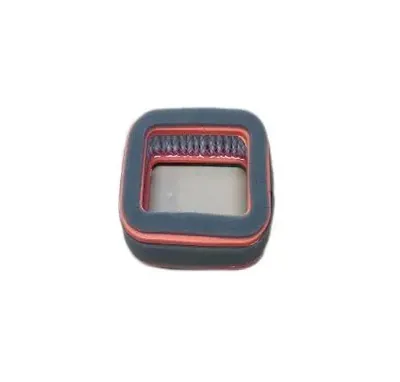
Review the model, reference and old-part interface before quotation.
Add WS-FLE-004 to RFQ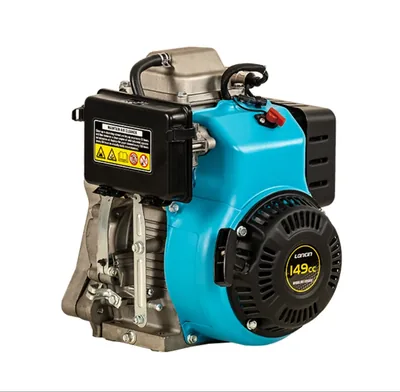
Review the model, reference and old-part interface before quotation.
Add WS-FLE-005 to RFQ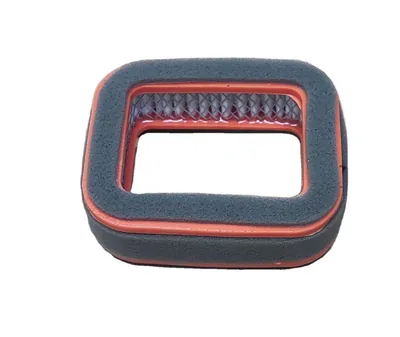
Review the model, reference and old-part interface before quotation.
Add WS-FLE-006 to RFQ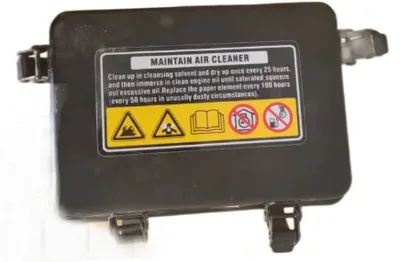
Review the model, reference and old-part interface before quotation.
Add WS-FLE-007 to RFQ
Review the model, reference and old-part interface before quotation.
Add WS-FLE-008 to RFQ
Review the model, reference and old-part interface before quotation.
Add WS-FLE-009 to RFQReview the model, reference and old-part interface before quotation.
Add WS-FGE-001 to RFQ
Review the model, reference and old-part interface before quotation.
Add WS-FGE-002 to RFQ
Review the model, reference and old-part interface before quotation.
Add WS-FGE-003 to RFQ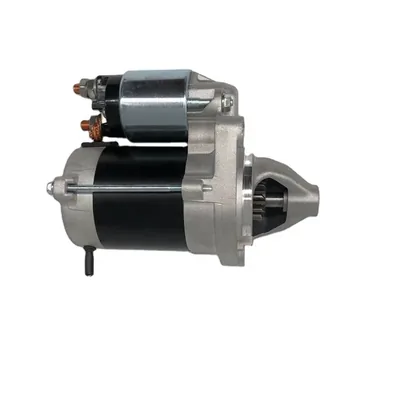
Review the model, reference and old-part interface before quotation.
Add WS-FGE-004 to RFQReview the model, reference and old-part interface before quotation.
Add WS-FGE-005 to RFQ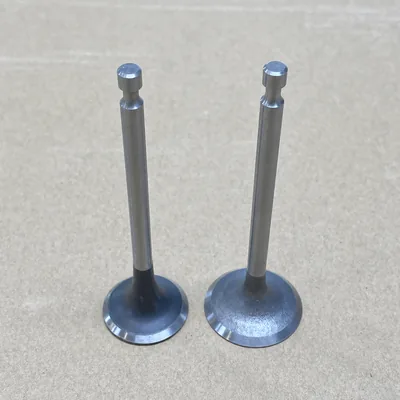
Review the model, reference and old-part interface before quotation.
Add WS-FGE-006 to RFQ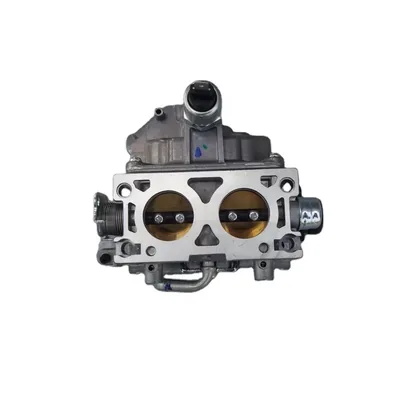
Review the model, reference and old-part interface before quotation.
Add WS-FGE-007 to RFQ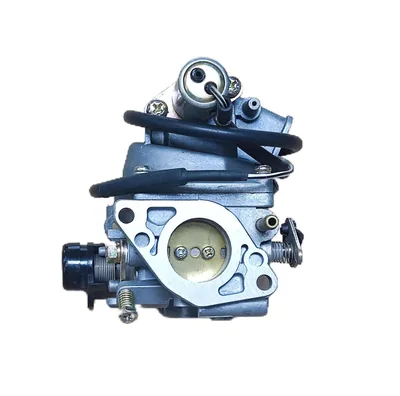
Review the model, reference and old-part interface before quotation.
Add WS-FGE-008 to RFQReview the model, reference and old-part interface before quotation.
Add WS-FGE-009 to RFQ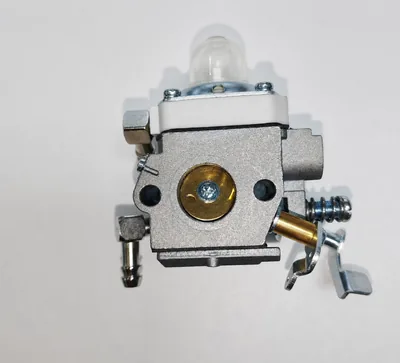
Review the model, reference and old-part interface before quotation.
Add WS-FGE-010 to RFQ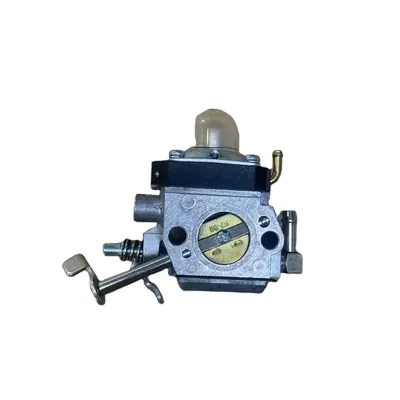
Review the model, reference and old-part interface before quotation.
Add WS-FG-004 to RFQ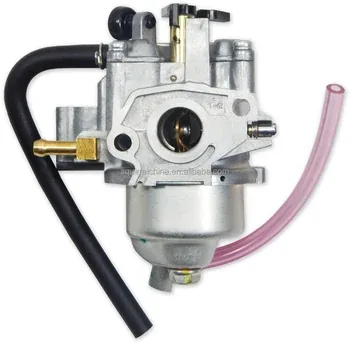
Review the model, reference and old-part interface before quotation.
Add WS-FG-005 to RFQ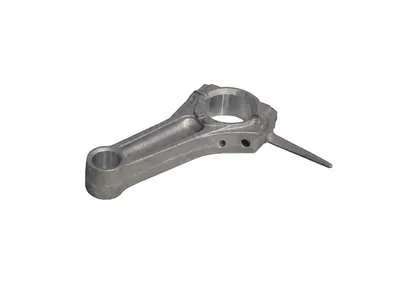
Review the model, reference and old-part interface before quotation.
Add WS-FG-006 to RFQ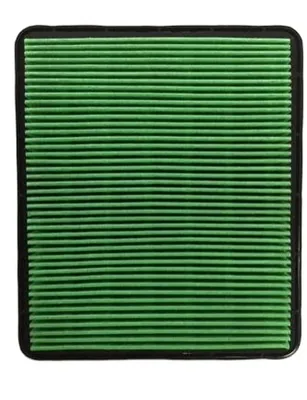
Review the model, reference and old-part interface before quotation.
Add WS-FG-008 to RFQ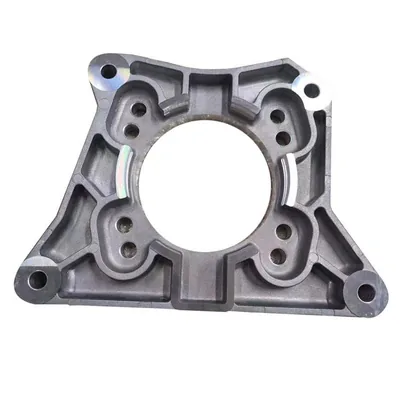
Review the model, reference and old-part interface before quotation.
Add WS-FG-009 to RFQ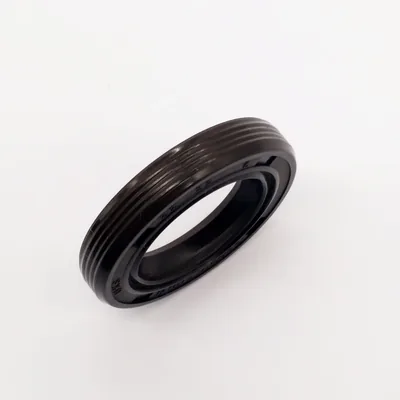
Review the model, reference and old-part interface before quotation.
Add WS-FG-010 to RFQ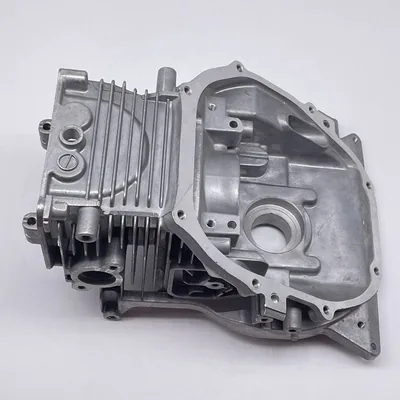
Review the model, reference and old-part interface before quotation.
Add WS-FG-011 to RFQ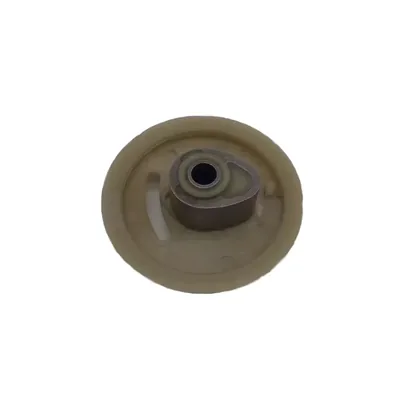
Review the model, reference and old-part interface before quotation.
Add WS-FG-012 to RFQ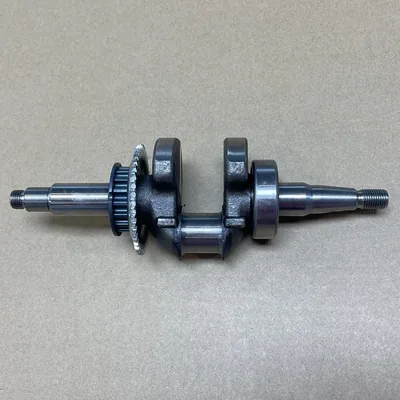
Review the model, reference and old-part interface before quotation.
Add WS-FG-013 to RFQ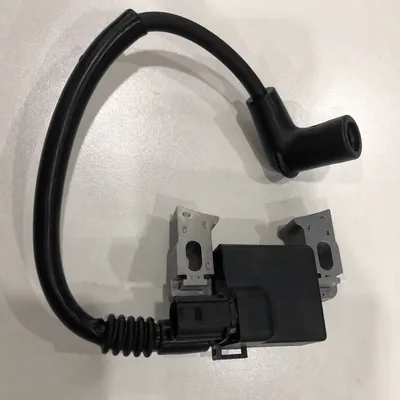
Review the model, reference and old-part interface before quotation.
Add WS-FG-014 to RFQ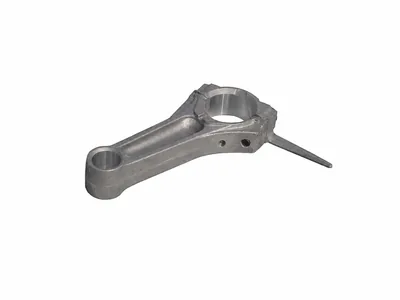
Review the model, reference and old-part interface before quotation.
Add WS-FG-015 to RFQ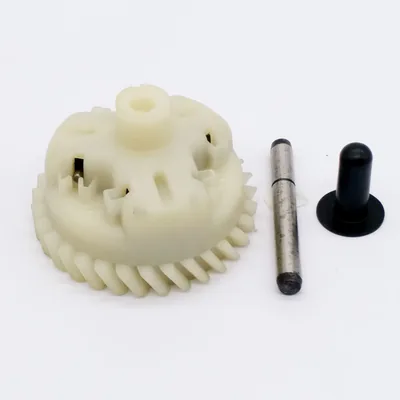
Review the model, reference and old-part interface before quotation.
Add WS-FG-016 to RFQ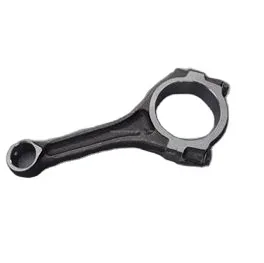
Review the model, reference and old-part interface before quotation.
Add WS-FG-017 to RFQ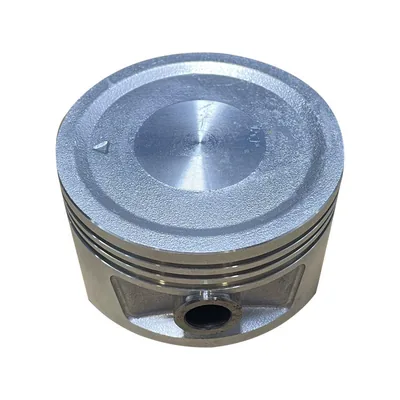
Review the model, reference and old-part interface before quotation.
Add WS-FG-018 to RFQ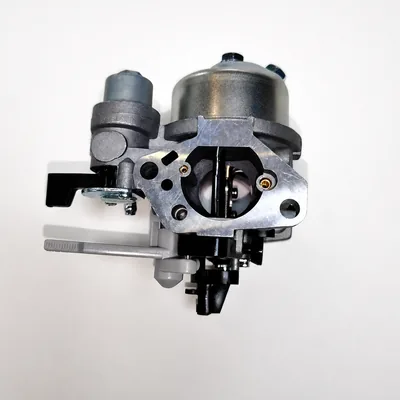
Review the model, reference and old-part interface before quotation.
Add WS-FG-019 to RFQ
Review the model, reference and old-part interface before quotation.
Add WS-FG-020 to RFQ
Review the model, reference and old-part interface before quotation.
Add WS-FG-021 to RFQ
Review the model, reference and old-part interface before quotation.
Add WS-FG-022 to RFQ
Review the model, reference and old-part interface before quotation.
Add WS-FG-023 to RFQ
Review the model, reference and old-part interface before quotation.
Add WS-FG6-001 to RFQ
Review the model, reference and old-part interface before quotation.
Add WS-FG6-002 to RFQ
Review the model, reference and old-part interface before quotation.
Add WS-FG6-003 to RFQ
Review the model, reference and old-part interface before quotation.
Add WS-FG6-004 to RFQ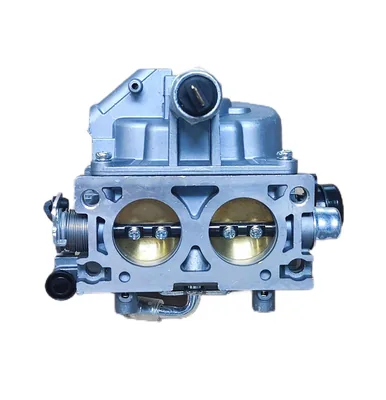
Review the model, reference and old-part interface before quotation.
Add WS-FG6-005 to RFQ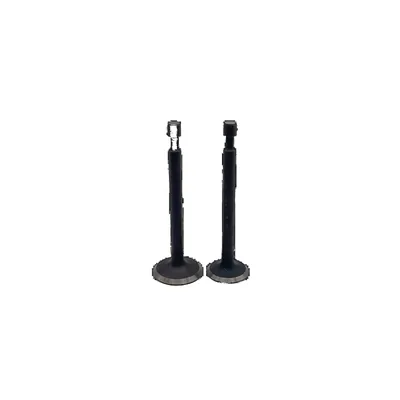
Review the model, reference and old-part interface before quotation.
Add WS-FRE-001 to RFQ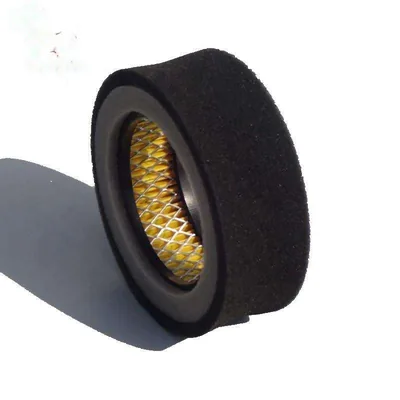
Review the model, reference and old-part interface before quotation.
Add WS-FRE-002 to RFQ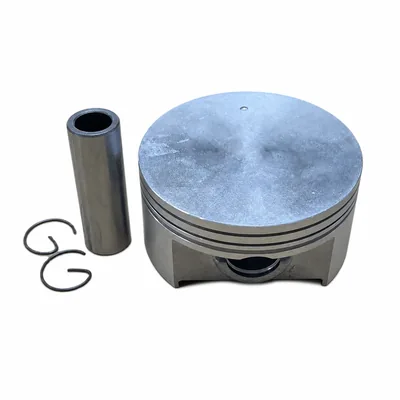
Review the model, reference and old-part interface before quotation.
Add WS-FRE-003 to RFQ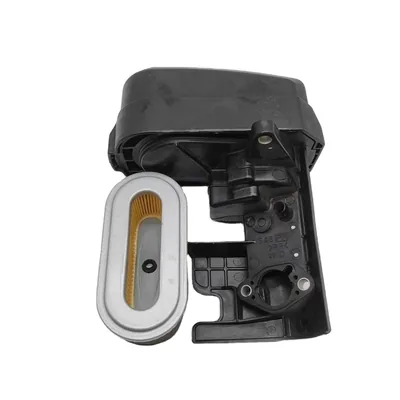
Review the model, reference and old-part interface before quotation.
Add WS-FRE-004 to RFQ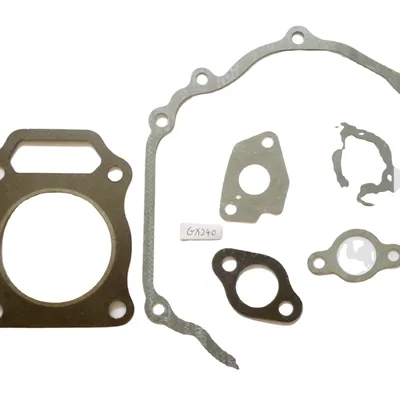
Review the model, reference and old-part interface before quotation.
Add WS-FRE-005 to RFQ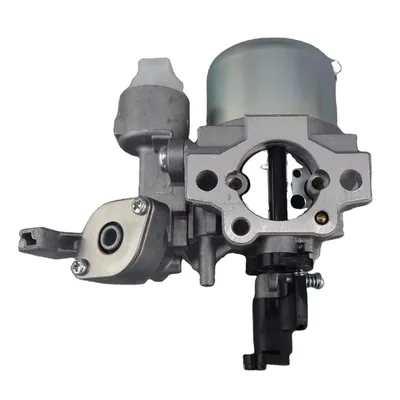
Review the model, reference and old-part interface before quotation.
Add WS-FRE-006 to RFQ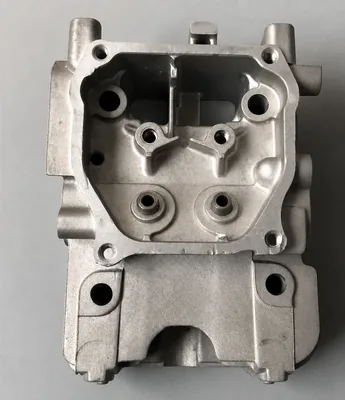
Review the model, reference and old-part interface before quotation.
Add WS-FRE-007 to RFQ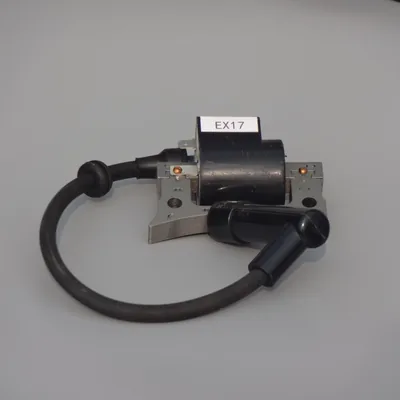
Review the model, reference and old-part interface before quotation.
Add WS-FRE-008 to RFQ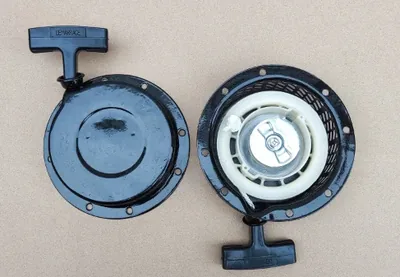
Review the model, reference and old-part interface before quotation.
Add WS-FRE-009 to RFQ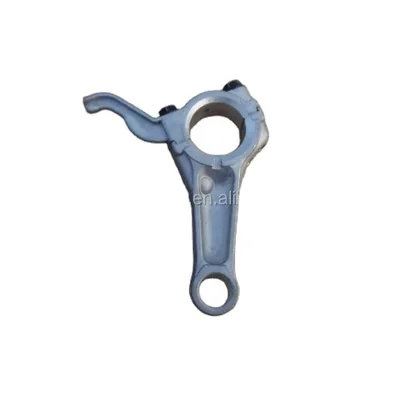
Review the model, reference and old-part interface before quotation.
Add WS-FRE-010 to RFQ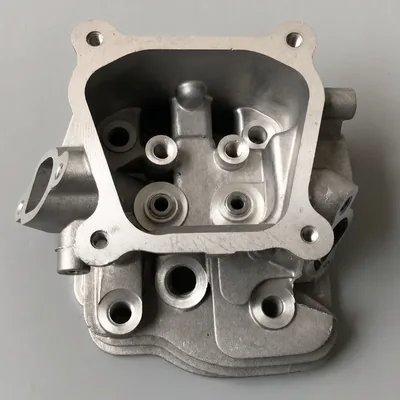
Review the model, reference and old-part interface before quotation.
Add WS-FEE-001 to RFQ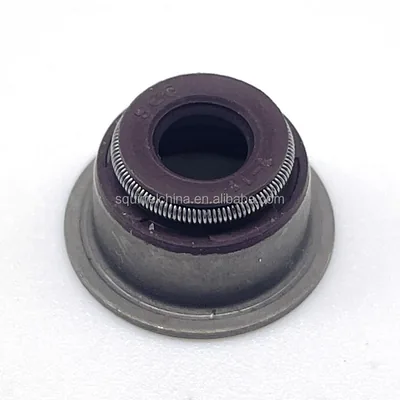
Review the model, reference and old-part interface before quotation.
Add WS-FEE-002 to RFQ
Review the model, reference and old-part interface before quotation.
Add WS-FEE-003 to RFQ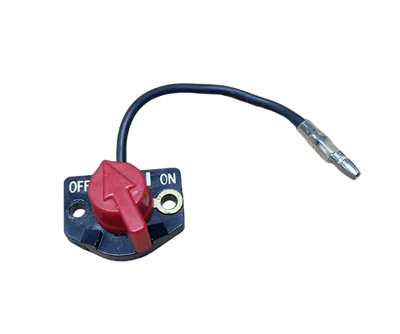
Review the model, reference and old-part interface before quotation.
Add WS-FEE-004 to RFQ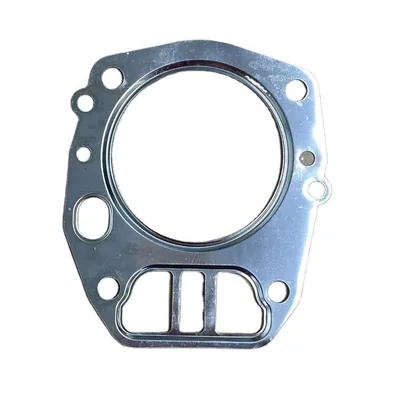
Review the model, reference and old-part interface before quotation.
Add WS-FEE-005 to RFQ
Review the model, reference and old-part interface before quotation.
Add WS-FEE-006 to RFQ
Review the model, reference and old-part interface before quotation.
Add WS-FEE-007 to RFQ
Review the model, reference and old-part interface before quotation.
Add WS-FEE-008 to RFQ
Review the model, reference and old-part interface before quotation.
Add WS-FEE-009 to RFQ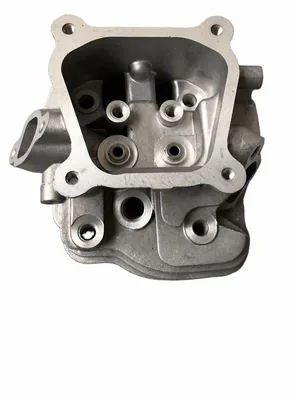
Review the model, reference and old-part interface before quotation.
Add WS-FE2-001 to RFQ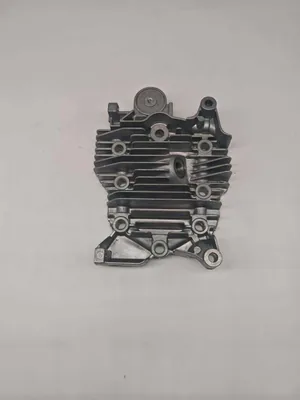
Review the model, reference and old-part interface before quotation.
Add WS-FE2-002 to RFQ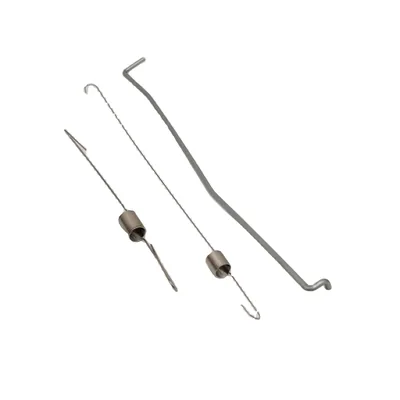
Review the model, reference and old-part interface before quotation.
Add WS-FE2-003 to RFQ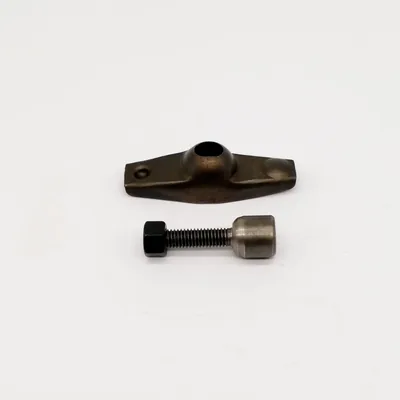
Review the model, reference and old-part interface before quotation.
Add WS-FE2-004 to RFQ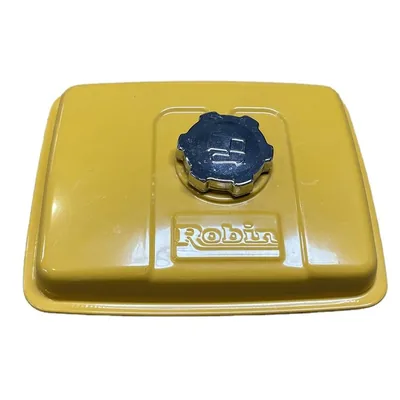
Review the model, reference and old-part interface before quotation.
Add WS-FE2-005 to RFQ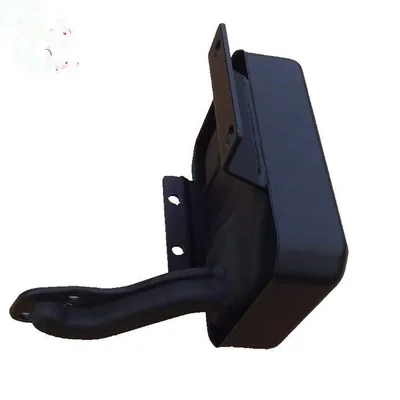
Review the model, reference and old-part interface before quotation.
Add WS-FE2-006 to RFQ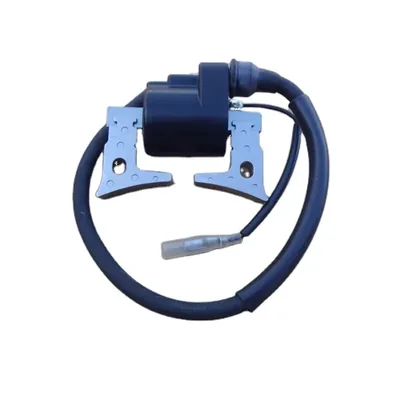
Review the model, reference and old-part interface before quotation.
Add WS-FE2-007 to RFQ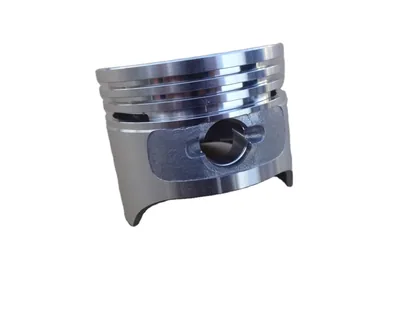
Review the model, reference and old-part interface before quotation.
Add WS-FE2-008 to RFQ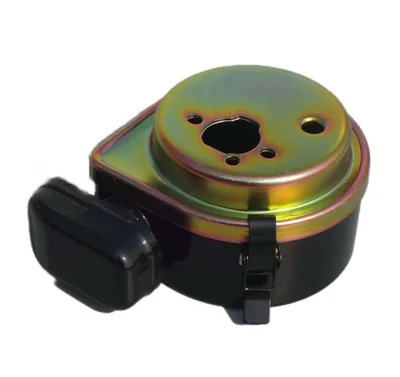
Review the model, reference and old-part interface before quotation.
Add WS-FE2-009 to RFQ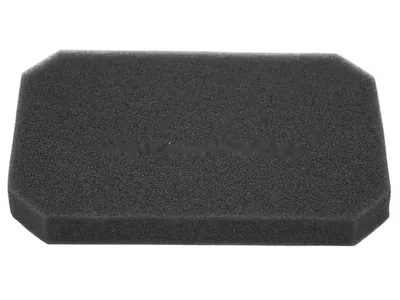
Review the model, reference and old-part interface before quotation.
Add WS-FE1-001 to RFQ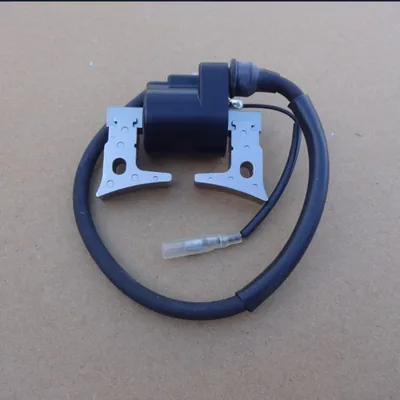
Review the model, reference and old-part interface before quotation.
Add WS-FE1-002 to RFQ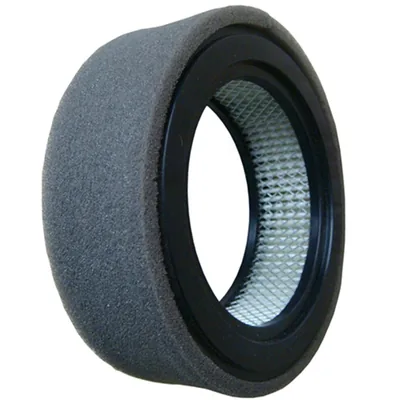
Review the model, reference and old-part interface before quotation.
Add WS-FE1-003 to RFQ
Review the model, reference and old-part interface before quotation.
Add WS-FE1-004 to RFQ
Review the model, reference and old-part interface before quotation.
Add WS-FKE-001 to RFQ
Review the model, reference and old-part interface before quotation.
Add WS-FKE-002 to RFQ
Review the model, reference and old-part interface before quotation.
Add WS-FKE-003 to RFQ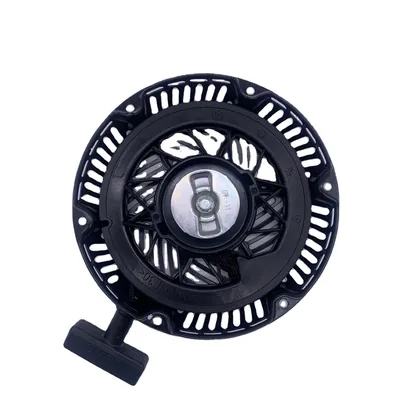
Review the model, reference and old-part interface before quotation.
Add WS-FKE-004 to RFQ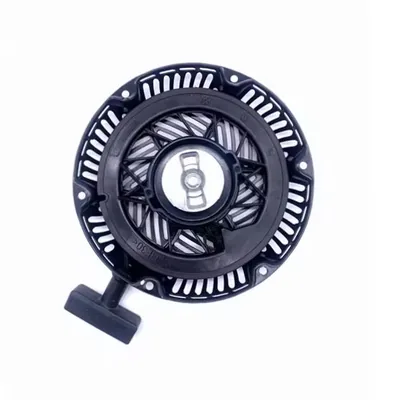
Review the model, reference and old-part interface before quotation.
Add WS-FKE-005 to RFQ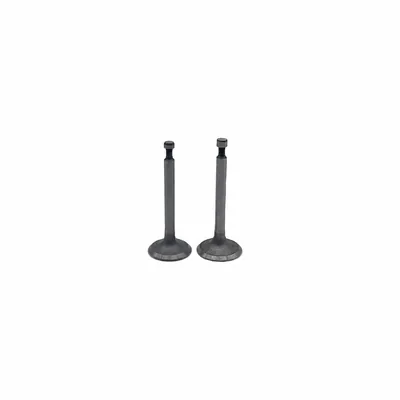
Review the model, reference and old-part interface before quotation.
Add WS-FKE-006 to RFQ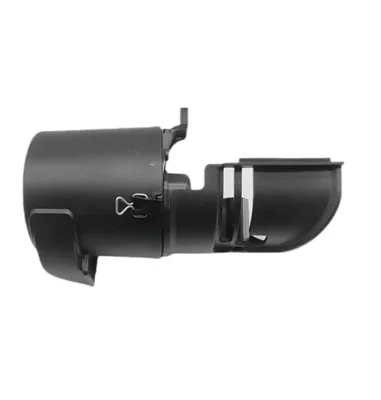
Review the model, reference and old-part interface before quotation.
Add WS-FKE-007 to RFQ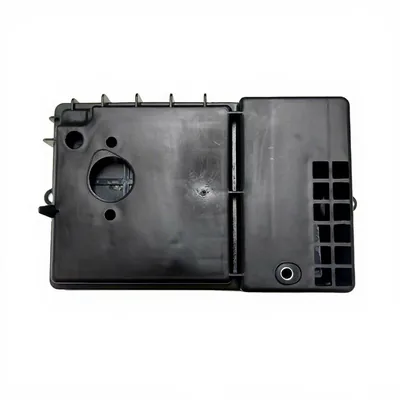
Review the model, reference and old-part interface before quotation.
Add WS-FKE-008 to RFQ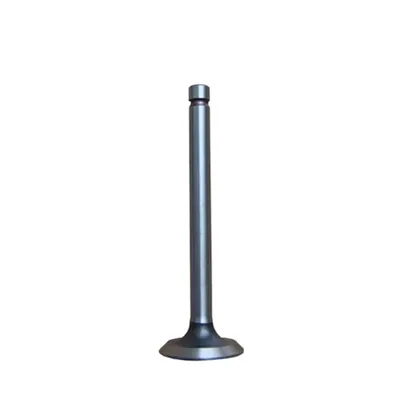
Review the model, reference and old-part interface before quotation.
Add WS-FKE-009 to RFQ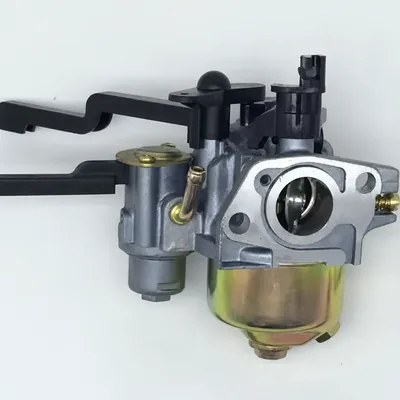
Review the model, reference and old-part interface before quotation.
Add WS-FKE-010 to RFQ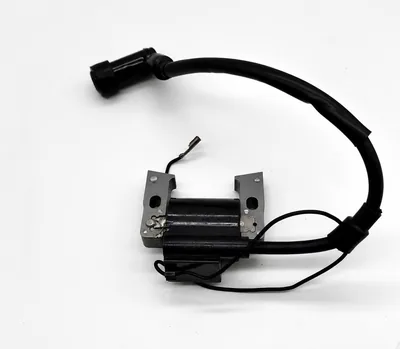
Review the model, reference and old-part interface before quotation.
Add WS-FYE-001 to RFQ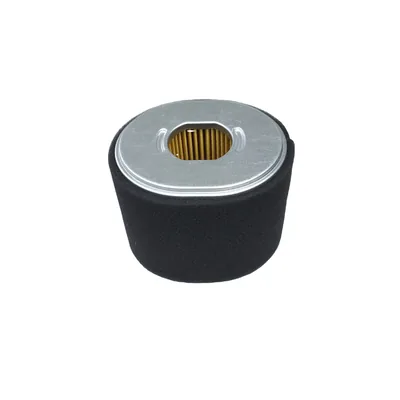
Review the model, reference and old-part interface before quotation.
Add WS-FYE-002 to RFQ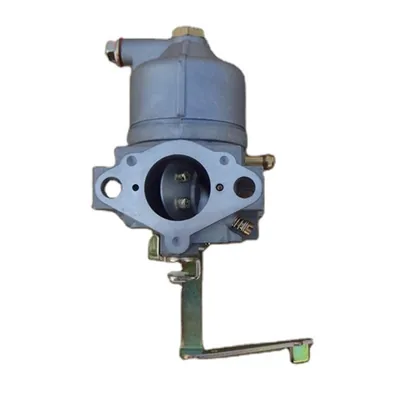
Review the model, reference and old-part interface before quotation.
Add WS-FYE-003 to RFQ
Review the model, reference and old-part interface before quotation.
Add WS-FYE-004 to RFQ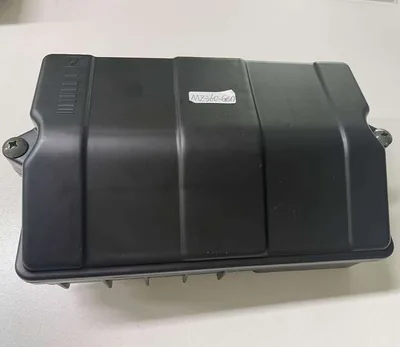
Review the model, reference and old-part interface before quotation.
Add WS-FYE-005 to RFQ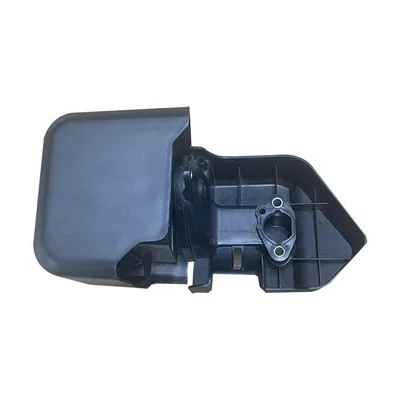
Review the model, reference and old-part interface before quotation.
Add WS-FYE-006 to RFQ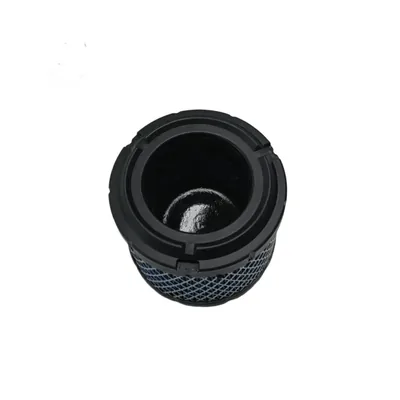
Review the model, reference and old-part interface before quotation.
Add WS-EP-001 to RFQ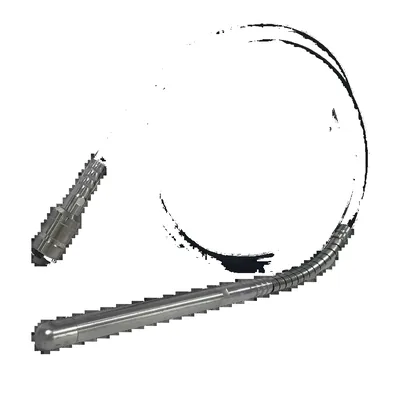
Review the model, reference and old-part interface before quotation.
Add WS-EP-002 to RFQ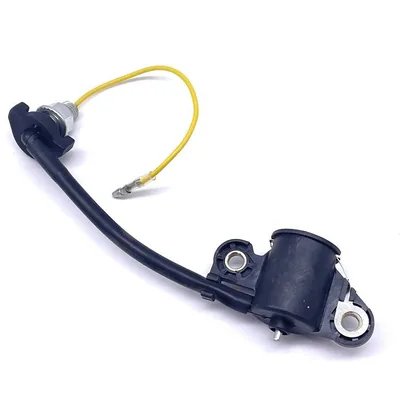
Review the model, reference and old-part interface before quotation.
Add WS-EP-003 to RFQ
Review the model, reference and old-part interface before quotation.
Add WS-EP-004 to RFQ
Review the model, reference and old-part interface before quotation.
Add WS-EP-005 to RFQ
Review the model, reference and old-part interface before quotation.
Add WS-EP-007 to RFQ
Review the model, reference and old-part interface before quotation.
Add WS-EP-008 to RFQ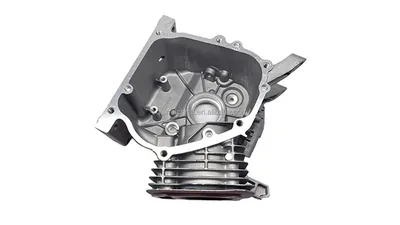
Review the model, reference and old-part interface before quotation.
Add WS-EP-009 to RFQ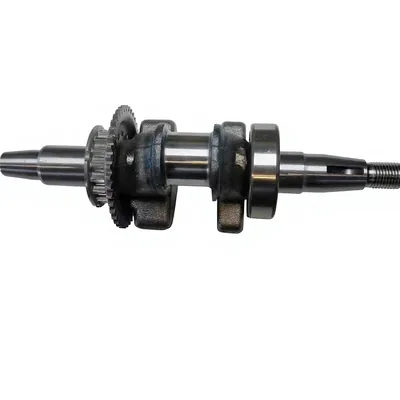
Review the model, reference and old-part interface before quotation.
Add WS-FG-024 to RFQ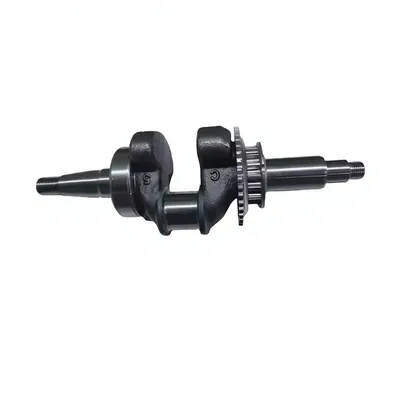
Review the model, reference and old-part interface before quotation.
Add WS-FG-025 to RFQ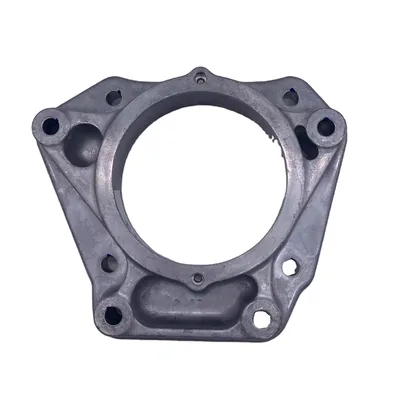
Review the model, reference and old-part interface before quotation.
Add WS-FG-026 to RFQ
Review the model, reference and old-part interface before quotation.
Add WS-FG-027 to RFQ
Review the model, reference and old-part interface before quotation.
Add WS-FG-028 to RFQ
Review the model, reference and old-part interface before quotation.
Add WS-FG-029 to RFQ
Review the model, reference and old-part interface before quotation.
Add WS-FG-030 to RFQ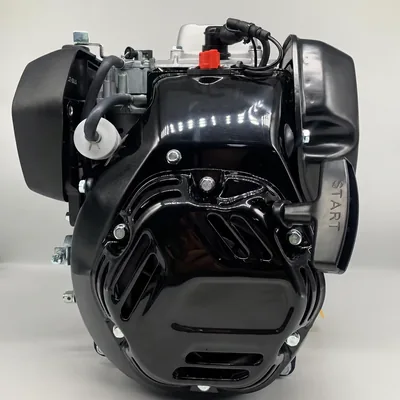
Review the model, reference and old-part interface before quotation.
Add WS-FG-031 to RFQ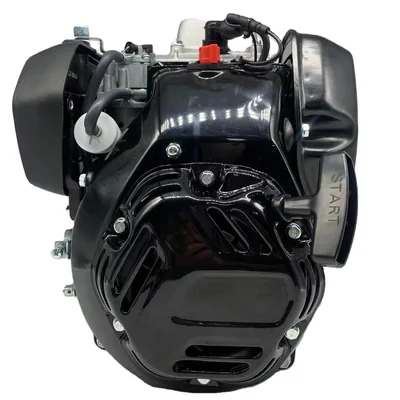
Review the model, reference and old-part interface before quotation.
Add WS-FG-032 to RFQ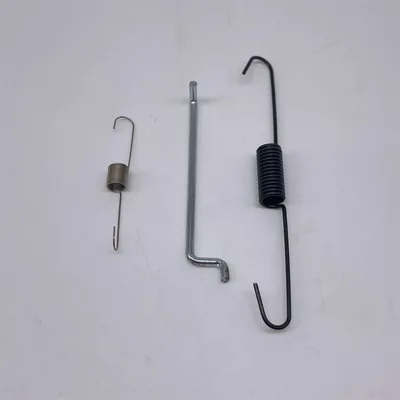
Review the model, reference and old-part interface before quotation.
Add WS-FG-033 to RFQ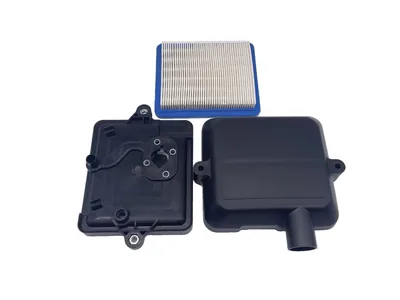
Review the model, reference and old-part interface before quotation.
Add WS-FG-034 to RFQ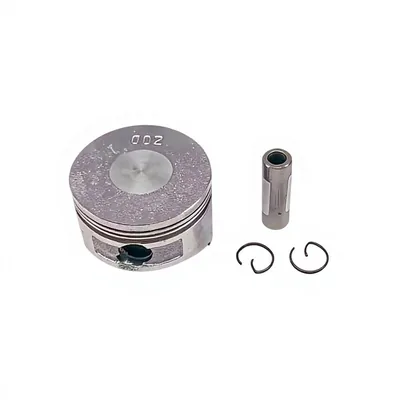
Review the model, reference and old-part interface before quotation.
Add WS-FG-035 to RFQ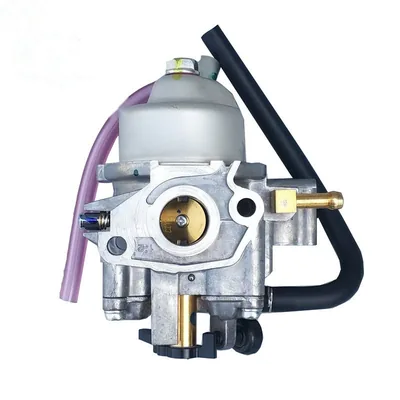
Review the model, reference and old-part interface before quotation.
Add WS-FG-036 to RFQ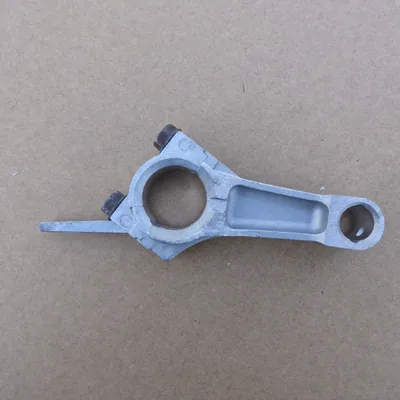
Review the model, reference and old-part interface before quotation.
Add WS-FG-037 to RFQ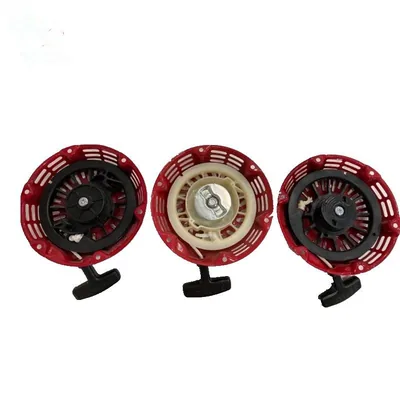
Review the model, reference and old-part interface before quotation.
Add WS-FG-038 to RFQ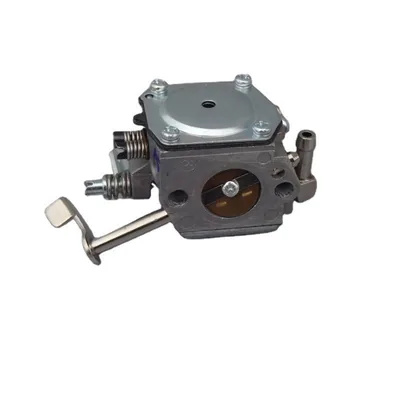
Review the model, reference and old-part interface before quotation.
Add WS-FG-039 to RFQ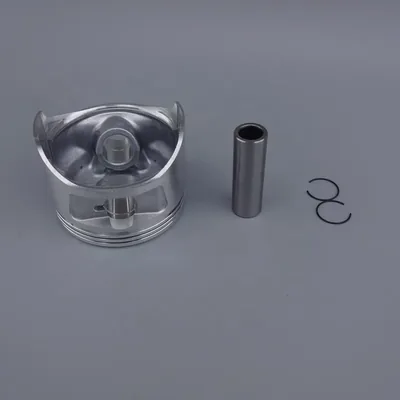
Review the model, reference and old-part interface before quotation.
Add WS-FG-040 to RFQ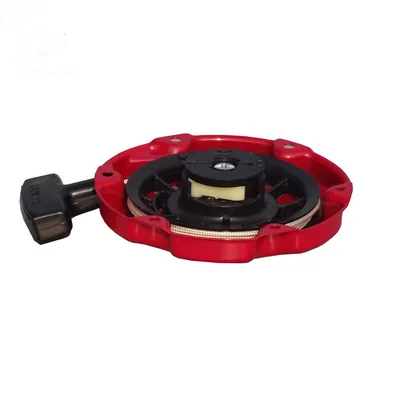
Review the model, reference and old-part interface before quotation.
Add WS-FG-041 to RFQ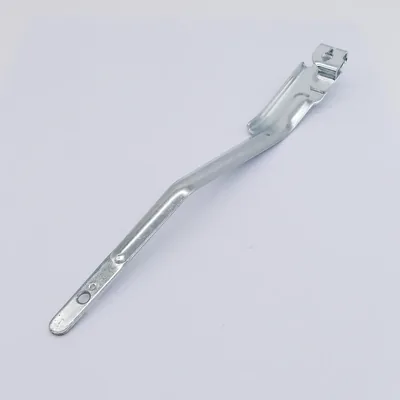
Review the model, reference and old-part interface before quotation.
Add WS-FG-042 to RFQ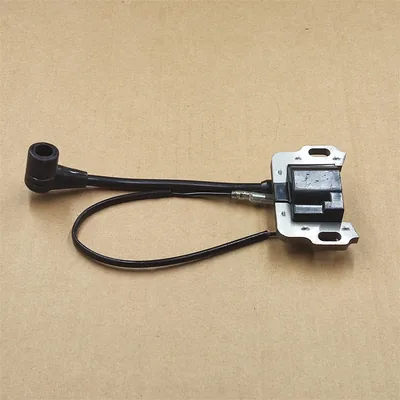
Review the model, reference and old-part interface before quotation.
Add WS-FG-043 to RFQNo matching catalog references are visible. Try a product code, model or part name.
Use engine identity first, then narrow by the old part and the interface it serves.
Fuel, ignition, gasket, valve, piston, starter and other references associated with GX and GXR model searches.
Explore this routeCarburetor, air-filter, connecting-rod, seal, camshaft, crankshaft and related GX100 search references.
Explore this routeEH, EX and EY search references covering filters, pistons, valves, ignition, gaskets, carburetors and starters.
Explore this routeCH-series search references for air, fuel, starter, piston, valve and exhaust-related parts in the catalog.
Explore this routeFilter, carburetor-kit, ignition and general service references across several small-engine applications.
Explore this routeComplete-engine catalog references requiring output, shaft, starting, mounting and host-machine checks.
Explore this routeThis collection covers current gasoline-engine and service-part references used across compact equipment, generators and other machinery. Host equipment names can provide context, but the engine manufacturer, full model, type or code and old-part reference are the stronger starting points. The catalog includes service and internal components; it does not establish that similar engines or similarly named parts are interchangeable.
Catalog family names help browsing, but the complete engine identification is needed to review a part variation.
| Application or system | Catalog route | Evidence to send |
|---|---|---|
| GX, GXR and related search references | Air, fuel, ignition, starter, gasket, valve, piston, crankcase and crankshaft references | Engine manufacturer, complete model, type or code, part number, interface and old-part photos |
| Robin EH, EX and EY search references | Filter, carburetor, ignition, starter, piston, valve, gasket and internal references | Exact EH, EX or EY model, suffix or code, host-machine context and old-part evidence |
| Kohler CH search references | Filter, carburetor, starter, piston, valve and exhaust-related references | Complete engine model and specification, part number, connector or mounting details and photos |
| Unmarked or repowered equipment | Any gasoline-engine service or internal part | Remaining stamp, full engine, shaft side, starter side, host equipment, old part and unknown fields |
Engines with similar displacement or output descriptions can differ in shaft, starting, charging, filter and internal configurations.
Record manufacturer, model, type, code, serial or specification exactly as shown on the label or crankcase.
Show the old number, connector, thread, flange, bolt pattern, shaft or sealing surface that must match.
Show recoil or electric start, shaft side, air-filter housing, fuel arrangement and any charging connections.
State the equipment type and model without assuming it proves the engine installed today.
Compact machinery is often repowered or repaired during its service life. The equipment model is useful context, but the engine's own label, stamp and installed configuration should lead an engine-parts inquiry. Photograph the full engine, label, shaft side and old part before removal. For carburetors, starters, coils, filters and internal parts, include the exact connector, mounting, port or sealing detail that distinguishes the variation.
Different buying tasks need different evidence, but each should begin with the engine actually installed.
Use the engine label and old-part interface to review one failed component without relying only on the host machine.
Separate air, fuel, ignition and starting items by exact engine family and quantity for distributor review.
Show the engine actually installed, its shaft and mounting configuration and the host-machine constraints that still matter.
MachParts Global is the international machinery-parts sourcing website of WUHAN SUNFULL. The small-engine collection organizes current catalog records by engine reference and part system so buyers can connect each line to an engine label, old-part number or interface. The catalog supports quotation preparation; application, commercial and logistics details remain subject to the evidence and quantity submitted.
Copy the maker, full model, type, code, specification and readable serial information.
Record its number, installed location, several views and the reason for replacement.
Add connector, port, flange, shaft, bolt pattern, seal or photo-linked dimension evidence.
Provide quantity per exact engine and part variation plus destination.
Confirm unresolved identity, inclusion, MOQ, packing, timing and freight fields.
Use manufacturer, model, type, code and serial evidence before requesting an engine part.
Read buyer guideCompare filter number, housing, sealing profile and dimensions in engine context.
Read buyer guideRecord traceable dimensions and uncertainty when the old engine part has no readable number.
Read buyer guideConnect identification, quantity, destination and supporting files in one request.
Read buyer guideNot always. The same equipment family may use different engines, and a machine may have been repowered. Send the engine manufacturer, complete model, type or code from the engine itself, plus the old-part number and photos. Use the equipment model as context rather than as the only identifier.
Photograph every remaining stamp or molded mark, the complete engine, shaft side, starter side, air-filter housing and the host machine. Add the old-part views and dimensions. State which fields are unknown. These details can narrow the route, but appearance and displacement estimates do not prove the exact configuration.
No. Engines described by the same nominal output can differ in displacement, shaft, mounting, starting, charging, filter, fuel and internal configurations. Provide the full engine identification and the interfaces that matter to the requested part. For a complete engine, also document shaft and mounting constraints.
Send the complete engine model and code, old-part reference and clear views of both sides. Show mounting, ports, connectors, linkages or starter engagement as applicable. Include the host equipment only as supporting context. A similar outer shape is not enough to confirm internal calibration or electrical characteristics.
Yes. Use one row for each exact engine and part variation, with a product code or part number, quantity and named supporting photos. Do not combine GX, GXR, EH, EX, EY or CH references in a single line. Add destination and any packing or consolidation requirement.
The host machine helps explain the application, but the engine label and old-part interface should lead the request.