
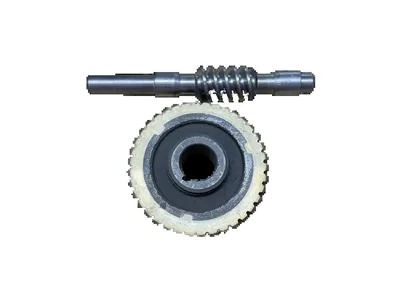
Worm Gear and Worm Shaft Set for Concrete Power Trowel Gearbox Replacement Parts
Review the model, reference and old-part interface before quotation.
Add WS-PT-001 to RFQBrowse power trowel blades, pans, crosses, throttle controls, worm-drive sets and gearbox references. Send the machine diameter and model together with the old part, mounting pattern or drive interface so similar-looking finishing parts are not treated as interchangeable.
Useful starting points include 36-inch or 48-inch machine class, blade or pan dimensions, gearbox interface, throttle-control reference and MachParts code. Confirm the actual mounting pattern before selecting by nominal size.
Example: WS-PT-004 · Example: 48 inch trowel pan · Example: CT36 throttle lever
The product code identifies a catalog record; the machine and old-part evidence establish the basis for an RFQ review.
Review the model, reference and old-part interface before quotation.
Add WS-PT-001 to RFQ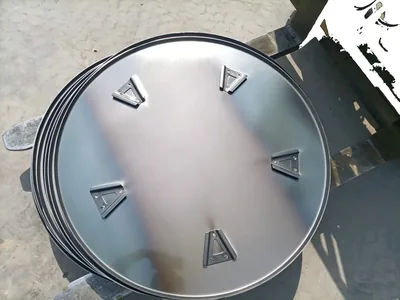
Review the model, reference and old-part interface before quotation.
Add WS-PT-002 to RFQ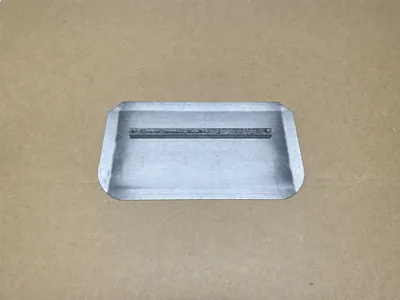
Review the model, reference and old-part interface before quotation.
Add WS-PT-003 to RFQ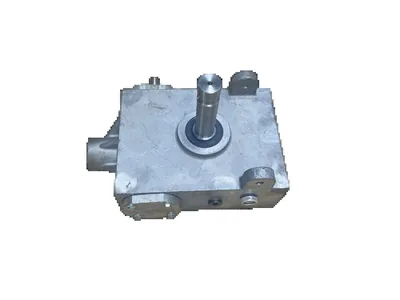
Review the model, reference and old-part interface before quotation.
Add WS-PT-004 to RFQ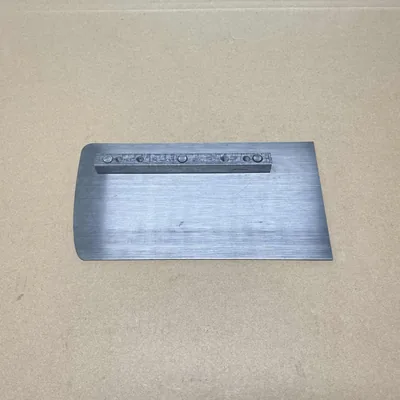
Review the model, reference and old-part interface before quotation.
Add WS-PT-005 to RFQ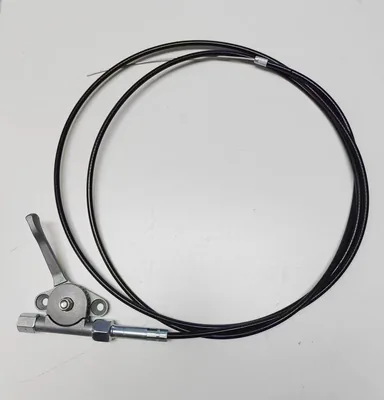
Review the model, reference and old-part interface before quotation.
Add WS-PT-006 to RFQKeep product codes, machine-size references and mounting or drive descriptions visible together. Generic blade, pan or clutch labels should not remove the trowel context.
Review the model, reference and old-part interface before quotation.
Add WS-PT-001 to RFQReview the model, reference and old-part interface before quotation.
Add WS-PT-002 to RFQReview the model, reference and old-part interface before quotation.
Add WS-PT-003 to RFQReview the model, reference and old-part interface before quotation.
Add WS-PT-004 to RFQReview the model, reference and old-part interface before quotation.
Add WS-PT-005 to RFQReview the model, reference and old-part interface before quotation.
Add WS-PT-006 to RFQ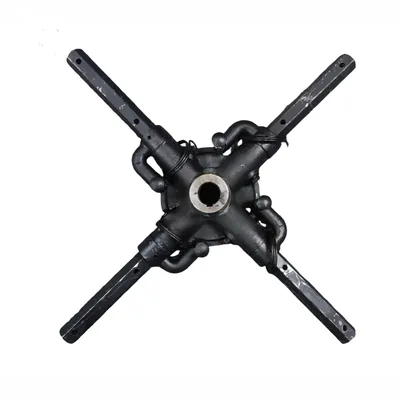
Review the model, reference and old-part interface before quotation.
Add WS-PT-007 to RFQ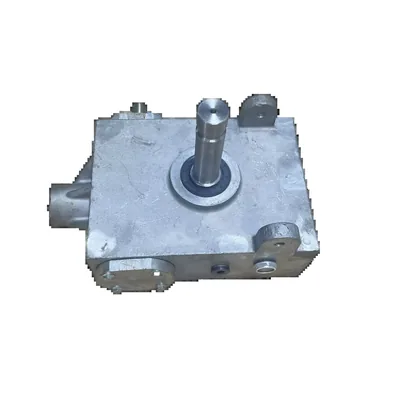
Review the model, reference and old-part interface before quotation.
Add WS-PT-008 to RFQ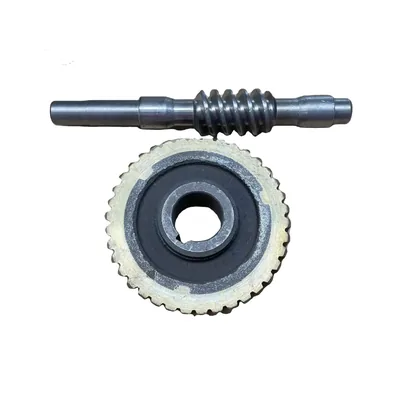
Review the model, reference and old-part interface before quotation.
Add WS-PT-009 to RFQ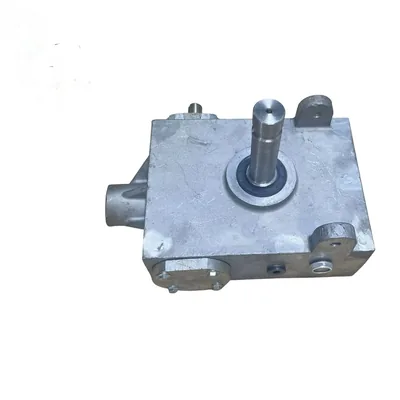
Review the model, reference and old-part interface before quotation.
Add WS-PT-010 to RFQ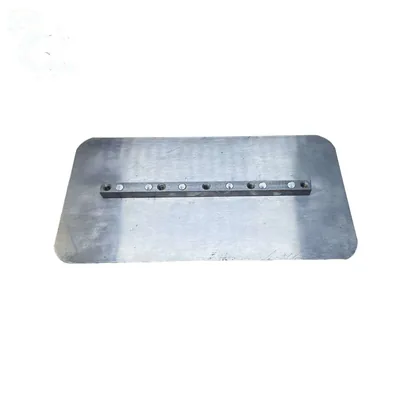
Review the model, reference and old-part interface before quotation.
Add WS-BLADE-001 to RFQ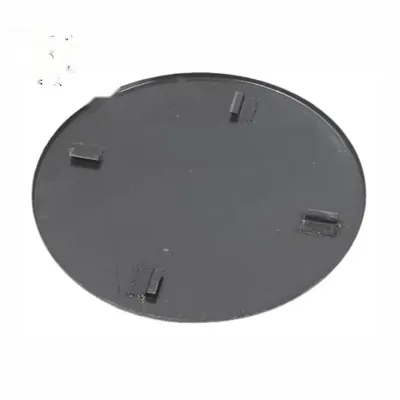
Review the model, reference and old-part interface before quotation.
Add WS-BLADE-002 to RFQ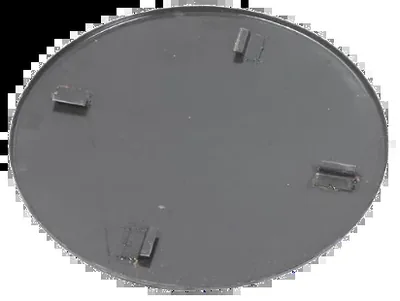
Review the model, reference and old-part interface before quotation.
Add WS-PAN-001 to RFQNo matching catalog references are visible. Try a product code, model or part name.
Nominal machine diameter narrows the search; the old mounting and drive interface completes the evidence.
Blade references compared by length, width, thickness, hole count, hole centers, orientation and intended finishing stage.
Explore this routePan references compared by outside diameter, mounting clips or pattern, rotation orientation and matching machine class.
Explore this routeCross references requiring shaft interface, arm count, arm geometry, spider diameter and old-assembly views.
Explore this routeGearbox references compared by input and output shafts, bolt pattern, housing orientation and connected drive components.
Explore this routeWorm wheel and shaft references requiring tooth, shaft, bearing-seat and matched-set evidence.
Explore this routeLever and cable references compared by machine model, ends, travel, bracket and routing.
Explore this routeThis collection covers current power trowel catalog references for blades, pans, crosses, throttle controls, worm-drive components and gearbox assemblies. Nominal machine diameter is useful but is not sufficient for every item. Buyers should add the complete machine model, old-part reference, mounting pattern and drive interface. Engine service parts should be identified through the installed engine rather than the trowel name alone.
Use machine diameter to organize the inquiry, then document the exact interface.
| Application or system | Catalog route | Evidence to send |
|---|---|---|
| Blade or pan replacement | Blade, float pan and finishing-contact references | Machine diameter and model, blade or pan dimensions, hole or clip pattern, orientation and old-part views |
| Rotor structure | Cross and arm-related references | Machine model, shaft interface, arm count and geometry, overall dimensions and assembly photos |
| Transmission | Gearbox, worm wheel and worm shaft references | Housing, bolt pattern, input and output shafts, tooth or matched-set detail, ratio marking if present |
| Operator control | Throttle lever and related control references | Machine model, lever and bracket form, cable ends, travel, length and installed routing |
Machine diameter is a routing field. Mounting and drive details are the comparison fields.
Record length or diameter, hole or clip count, center spacing, orientation and old-part profile.
Record shaft interface, arm count, arm dimensions, spider diameter and position within the rotor assembly.
Show the housing, mounting bolts, input and output shafts, seals, connected drive and any readable marking.
Show lever, bracket and cable routing; record both ends, total length, sheath length and operating travel.
Two power trowels described as the same nominal size can use different blades, pan clips, crosses, gearboxes or controls. Record the complete machine model and photograph the installed arrangement before removing the part. For blades and pans, show the hole or clip pattern and orientation. For drive parts, show the input, output and housing. A dimension without a visible datum can be interpreted in more than one way.
Keep finishing, structural, control and transmission requirements separate so each line retains the right evidence.
Separate blade and pan sizes by machine, pattern and quantity instead of grouping them only under nominal diameter.
Photograph the old gearbox in place, then document shafts, mounting, housing and connected drive components.
Use product codes and machine-size references to organize recurring control, finishing and drive lines in one RFQ.
MachParts Global is the international machinery-parts sourcing website of WUHAN SUNFULL. The power trowel collection separates finishing-contact, rotor, control and transmission references so the buyer can connect each requested part to the machine and old assembly. Quotation details are prepared from the submitted product, quantity and destination context; no catalog page by itself confirms fitment or availability.
Provide walk-behind or ride-on type, complete model and nominal diameter.
Separate finishing, rotor, control and transmission requirements.
Add patterns, shafts, orientation, dimensions, markings and installed views.
Keep different blade, pan, gearbox or model references on separate lines.
Check configuration notes, inclusions, MOQ, packing, timing and destination scope.
Document blade patterns, shafts and housing interfaces with clear measurement datums.
Read buyer guideStructure the product evidence, quantity and destination for a cleaner trowel-parts RFQ.
Read buyer guideDefine protection, separation, restraint and marking requirements for blades, pans and assemblies.
Read buyer guideNormalize inclusions, quantity, packing and delivery scope before comparing offers.
Read buyer guideNo. Nominal diameter narrows the search, but the mounting pattern, hole or clip count, center spacing, orientation and old-part dimensions still matter. Send the complete machine model and clear photos of the installed and removed parts. State whether the requirement is for blades, a float pan or another finishing configuration.
Provide the machine model, gearbox markings, housing and mounting views, bolt pattern, input and output shaft details and photographs of connected components. If a worm wheel or worm shaft is involved, show both parts and state whether a matched set or individual component is required.
Record length, width, thickness, hole count and center distances, then photograph the profile and installed orientation. Show any bend, edge form or slot. A simple length description may combine different blade types, so connect the measurements to the machine and explain the finishing stage or replacement purpose.
The trowel model provides context but does not establish the exact engine configuration. Send the engine manufacturer, model, type or code and the engine-part reference separately. Photograph the engine label and old part, especially when the machine has been repaired or repowered during its service life.
Yes. Place each variation on its own line with machine model, dimensions or interface evidence, product code when available and required quantity. Add destination and packing needs. This preserves the difference between finishing consumables and drive assemblies when the quotation scope is reviewed.
Start with the machine model and product family, then add the old-part photos and measurements that distinguish the variation.