
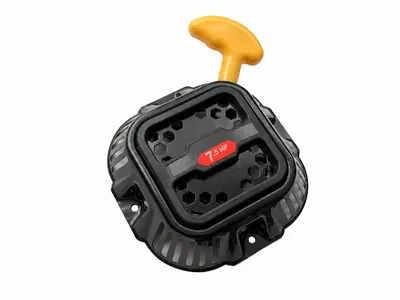
engine Recoil Starter for VP16/44 VP16/46-P RVP27/40 RVP30/50 Plate Compactor
Review the model, reference and old-part interface before quotation.
Add WS-PC-001 to RFQBrowse recoil starters, throttle controls, shock mounts, vibration pads and centrifugal clutch references for plate compactors. Confirm the machine, installed engine and critical interface before requesting a quotation for a replacement or distributor quantity.
Use a machine model, engine model, reference number, part name or MachParts code. For unmarked parts, add the installed location and interface dimensions rather than searching only by appearance.
Example: WS-PC-010 · Example: LF75 rubber mount · Example: 115mm clutch
Use these products as inquiry references, then submit the machine and old-part interface needed for the comparison.
Review the model, reference and old-part interface before quotation.
Add WS-PC-001 to RFQ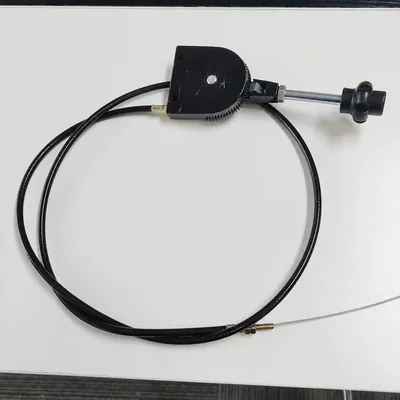
Review the model, reference and old-part interface before quotation.
Add WS-PC-002 to RFQ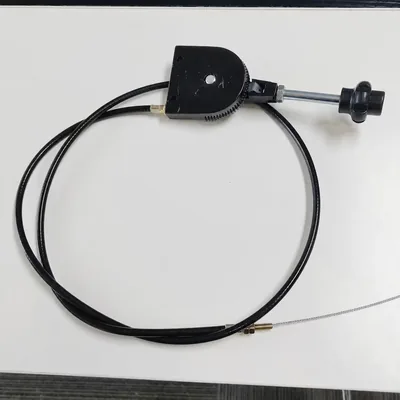
Review the model, reference and old-part interface before quotation.
Add WS-PC-003 to RFQ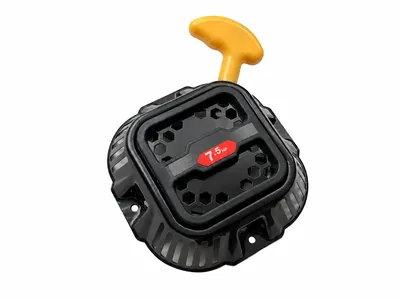
Review the model, reference and old-part interface before quotation.
Add WS-PC-004 to RFQ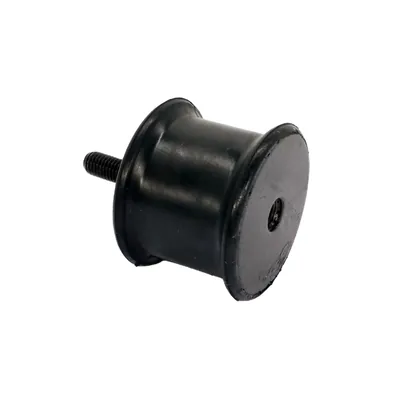
Review the model, reference and old-part interface before quotation.
Add WS-PC-005 to RFQ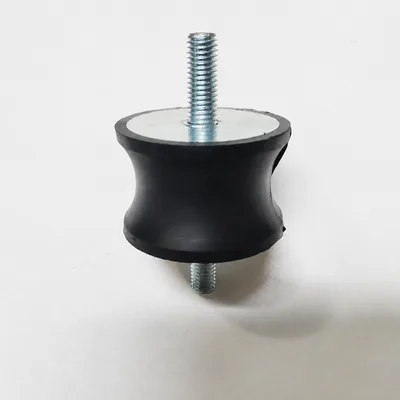
Review the model, reference and old-part interface before quotation.
Add WS-PC-006 to RFQThe directory should keep the machine or engine text visible beside the product code. Generic clutch, mount or filter categories must not silently replace the plate compactor route.
Review the model, reference and old-part interface before quotation.
Add WS-PC-001 to RFQReview the model, reference and old-part interface before quotation.
Add WS-PC-002 to RFQReview the model, reference and old-part interface before quotation.
Add WS-PC-003 to RFQReview the model, reference and old-part interface before quotation.
Add WS-PC-004 to RFQReview the model, reference and old-part interface before quotation.
Add WS-PC-005 to RFQReview the model, reference and old-part interface before quotation.
Add WS-PC-006 to RFQ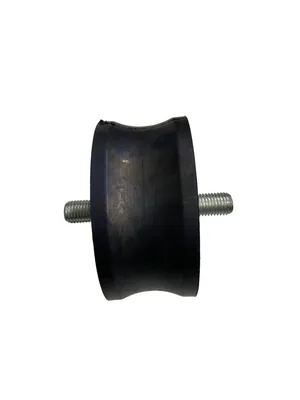
Review the model, reference and old-part interface before quotation.
Add WS-PC-008 to RFQ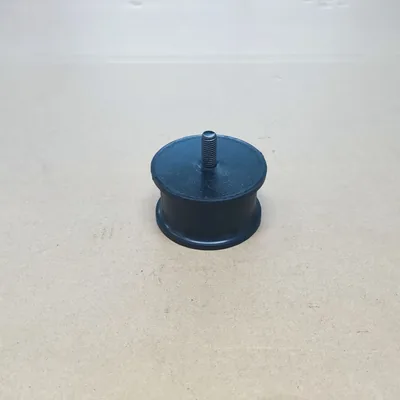
Review the model, reference and old-part interface before quotation.
Add WS-PC-009 to RFQ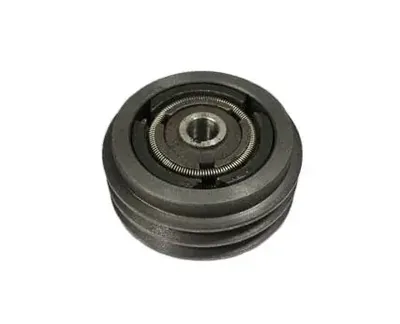
Review the model, reference and old-part interface before quotation.
Add WS-PC-010 to RFQ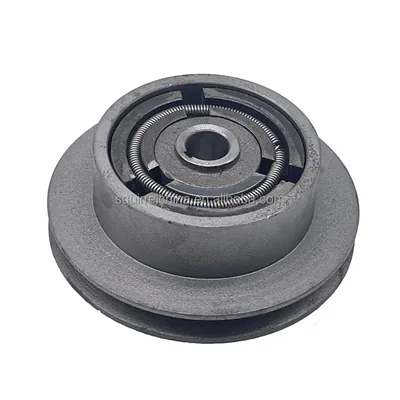
Review the model, reference and old-part interface before quotation.
Add WS-RP-001 to RFQ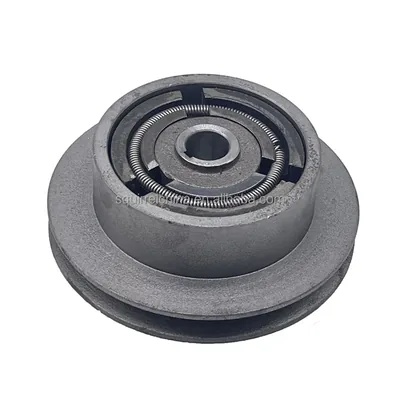
Review the model, reference and old-part interface before quotation.
Add WS-RP-007 to RFQ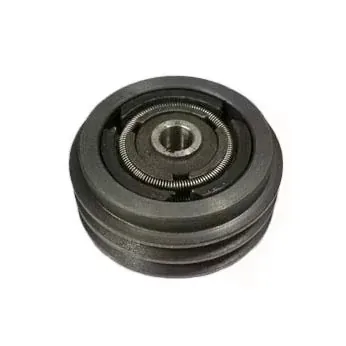
Review the model, reference and old-part interface before quotation.
Add WS-RP-008 to RFQNo matching catalog references are visible. Try a product code, model or part name.
Each system uses different deciding evidence. Start with function, then compare the old interface.
Starter references compared by engine identity, bolt pattern, cup engagement, rotation and housing form.
Explore this routeControl references compared by total length, sheath length, end fittings, brackets, travel and routing.
Explore this routeIsolation references compared by stud or thread size, center height, rubber dimensions and mounting position.
Explore this routeMounting and isolation parts requiring thread, spacing, load position and old-part geometry evidence.
Explore this routeClutch references compared by outside diameter, bore, keyway, belt profile, engagement arrangement and mating parts.
Explore this routeThis page covers plate compactor references currently organized under starter, throttle-control, rubber-mount, vibration-pad and clutch requirements. It is intended for repair buyers and distributors who can provide machine, engine or old-part evidence. A product title may include one or more model references, but the fitment decision still depends on the actual interface and the configuration installed on the buyer's machine.
Use the model reference to narrow the route, then confirm the part at its mating interface.
| Application or system | Catalog route | Evidence to send |
|---|---|---|
| Starter system | Recoil starter and related engine-start reference | Engine model and type, starter reference, bolt pattern, cup engagement, rotation and old-starter views |
| Throttle-control system | Controller and cable references | Machine model, total and sheath length, end fittings, brackets, travel direction and installed routing |
| Vibration isolation | Rubber studs, shock mounts, vibration pads and absorber references | Mounting position, thread or stud size, height, body dimensions, spacing and load orientation |
| Belt-drive system | Centrifugal clutch references | Outside diameter, bore, keyway, working width, belt profile, engine shaft and mating-pulley views |
The deciding features are often hidden when the part is installed. Photograph before removal, then measure the removed part.
Compare the engine identity, mounting pattern, cup engagement, rotation direction and housing clearance.
Show both fittings, bracket shape, total length, sheath length and the required operating travel.
Record thread or stud size, center height, rubber body dimensions, mounting position and orientation.
Record bore, keyway, outside diameter, working width, shaft detail and belt or drum relationship.
Plate compactor parts are often compared from a single front-facing photo. That view may hide the bore, keyway, stud, thread, working width or bracket that decides whether the part can be installed. Photograph the installed relationship first, then record both sides of the removed part and its mating shaft or frame. Dimensions should be tied to visible points and units. External similarity does not confirm material, engagement or durability.
Choose the preparation route that matches the failed system, then document the interface before requesting a comparison.
Document the engine shaft, old clutch, belt relationship and compactor model before requesting a clutch reference.
Record every mount position and dimension because one machine can use different mounts within the same assembly.
Separate starter, control, mount and clutch lines by model evidence and required quantity for a cleaner assortment review.
MachParts Global is the international machinery-parts sourcing website of WUHAN SUNFULL. This collection organizes plate compactor references into starting, control, isolation and drive systems so buyers can provide the evidence relevant to each part. The site supports quotation-led B2B requests; it does not treat a visual match or model keyword as a guaranteed fitment decision.
Record both labels and state whether the machine is forward or reversible.
Show the part's installed orientation, mating assembly and surrounding clearance.
Record the bore, shaft, pattern, thread, cable end or mount geometry that affects installation.
Keep each dimensional or model variation on a separate line.
Check reference notes, inclusions, MOQ, packing, timing and freight basis.
Record interface dimensions with clear datums when the old compactor part has no usable number.
Read buyer guideConnect machine evidence, product lines, quantities and destination in one RFQ.
Read buyer guideReview any alternative against the approved interface and record what changed.
Read buyer guideCompare like-for-like scope rather than only the total price.
Read buyer guideSend the machine and engine models, old-clutch reference, outside diameter, bore, keyway or thread form and working width. Photograph both clutch faces, the engine shaft and the mating belt or drum arrangement. A nominal diameter or engine family alone may not distinguish the installed interface.
Record the installed position, thread or stud size, center height, rubber body dimensions, spacing and orientation. Photograph every mount location before removal because one plate compactor can use more than one mount form. External size alone does not establish load rating or material behavior.
The compactor model helps, but the installed engine model and type are usually more direct identifiers for a starter. Add the old-starter number, bolt pattern, cup engagement, rotation and housing views. Machines in one equipment family may have different engines or previous replacement assemblies.
Provide total length, outer-sheath length, both end fittings, bracket details and the required movement. Add installed-routing photos and the control-lever connection. Measuring only the complete cable length can miss a different sheath, travel or endpoint that prevents correct operation.
Yes. Use one row per product and variation, list the required quantity and name the supporting photos to match. Include each machine and engine model rather than combining them in one description. Availability, MOQ, packing, timing and freight are then reviewed for the submitted lines and destination.
Send the strongest identifiers available. A product code, machine label and clear interface photo can start the review even when one reference is unreadable.