
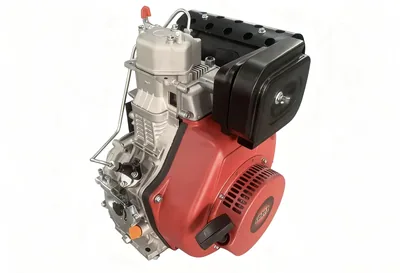
Construction Machinery Parts 178F OHV air Cooled Single Cylinder 296cc 6HP 4-stroke diesel Engine Recoil Start Key Start
Review the model, reference and old-part interface before quotation.
Add WS-DE-001 to RFQBrowse current air-cooled diesel engine, oil-filter, crankshaft, selector-switch, air-cleaner and related catalog references. Send the stamped engine family and suffix, old-part number, connector or mechanical interface and quantity so the quotation route is based on more than a broad 173F-to-192F label.
A broad family such as 186F or 192F is a starting point. Add every visible suffix, the old-part number, engine nameplate and the connector, shaft, thread, filter or housing interface that distinguishes the component.
Example: WS-DE-007 · Example: 186FA oil filter · Example: 192F crankshaft
These product codes represent the primary diesel collection. Use the stamped engine and old-part evidence before relying on the family names in a title.
Review the model, reference and old-part interface before quotation.
Add WS-DE-001 to RFQ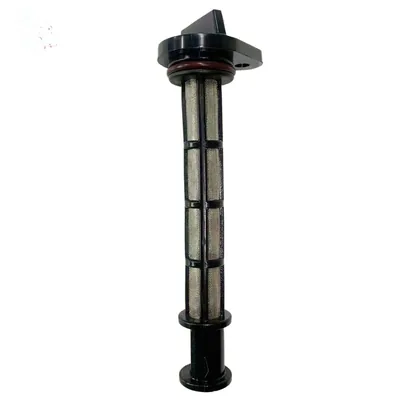
Review the model, reference and old-part interface before quotation.
Add WS-DE-002 to RFQ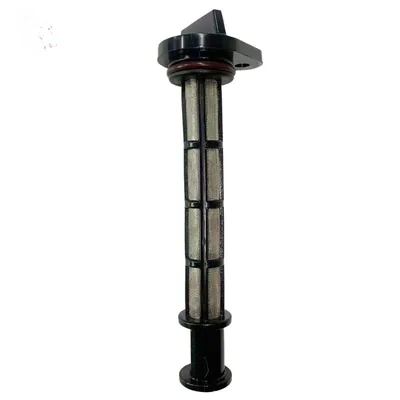
Review the model, reference and old-part interface before quotation.
Add WS-DE-003 to RFQ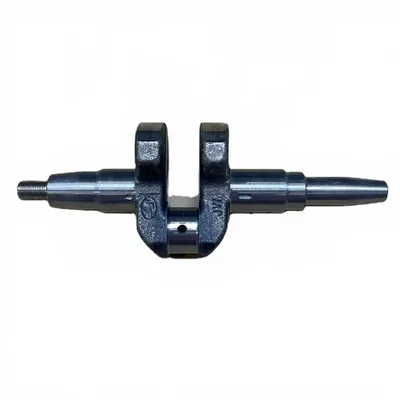
Review the model, reference and old-part interface before quotation.
Add WS-DE-004 to RFQ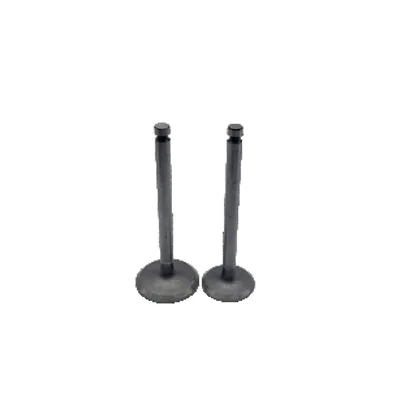
Review the model, reference and old-part interface before quotation.
Add WS-DE-005 to RFQ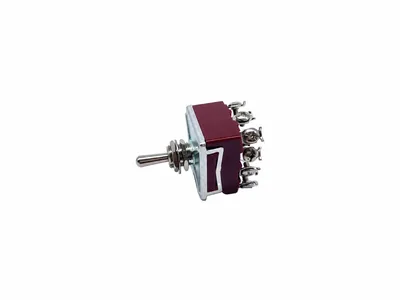
Review the model, reference and old-part interface before quotation.
Add WS-DE-006 to RFQThe primary directory should use the diesel-engine category and clearly marked supporting references. Generic air-filter or engine lists must not replace the diesel scope.
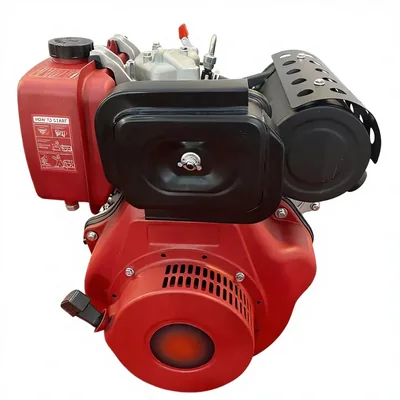
Review the model, reference and old-part interface before quotation.
Add WS-E-009 to RFQ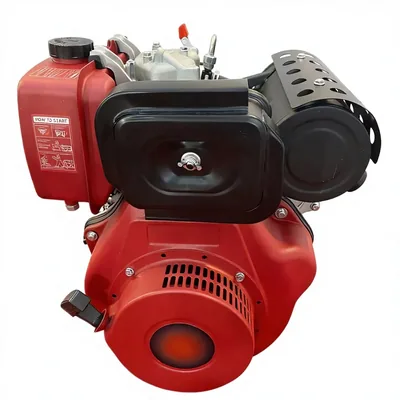
Review the model, reference and old-part interface before quotation.
Add WS-E-010 to RFQReview the model, reference and old-part interface before quotation.
Add WS-DE-001 to RFQReview the model, reference and old-part interface before quotation.
Add WS-DE-002 to RFQReview the model, reference and old-part interface before quotation.
Add WS-DE-003 to RFQReview the model, reference and old-part interface before quotation.
Add WS-DE-004 to RFQReview the model, reference and old-part interface before quotation.
Add WS-DE-005 to RFQReview the model, reference and old-part interface before quotation.
Add WS-DE-006 to RFQ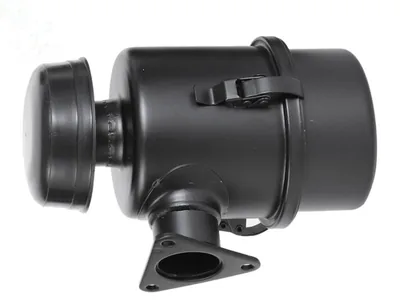
Review the model, reference and old-part interface before quotation.
Add WS-DE-007 to RFQ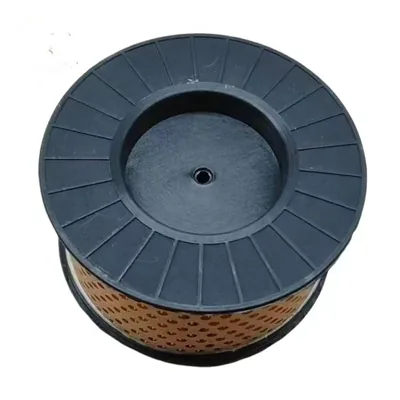
Review the model, reference and old-part interface before quotation.
Add WS-DE-008 to RFQ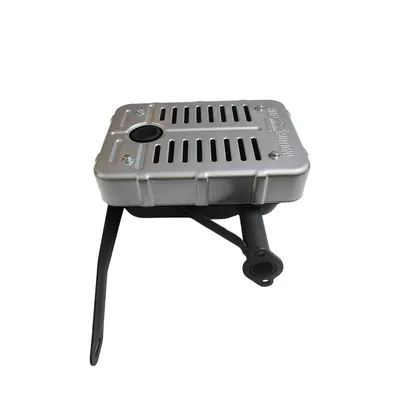
Review the model, reference and old-part interface before quotation.
Add WS-DE-009 to RFQ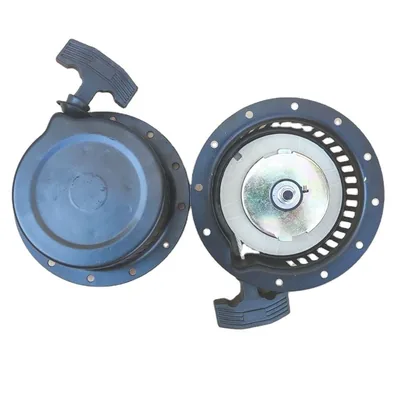
Review the model, reference and old-part interface before quotation.
Add WS-DE-010 to RFQ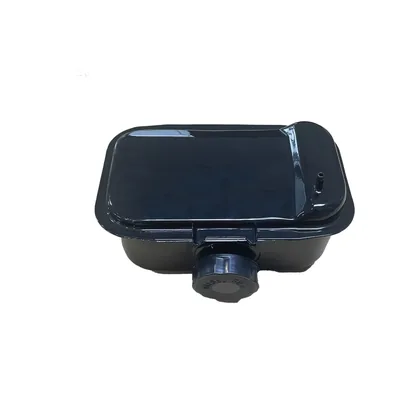
Review the model, reference and old-part interface before quotation.
Add WS-1P-001 to RFQNo matching catalog references are visible. Try a product code, model or part name.
Keep engine-family browsing separate from the component interface that determines the actual request.
Complete-engine references requiring stamped model, start configuration, shaft, mounting and host-equipment checks.
Explore this routeOil-filter references compared by old number, thread or mounting form, sealing interface and engine suffix.
Explore this routeAir-cleaner references compared by housing, inlet, seal, dimensions and exact engine context.
Explore this routeCrankshaft references requiring journal, taper or keyway, output end, gear and engine-case evidence.
Explore this routeSelector-switch and recoil-starter references compared by wiring, connector, mounting, rotation and engagement.
Explore this routeA focused catalog route for 173F-related searches; suffix and installed-part evidence remain necessary.
Explore this routeThis collection covers the current catalog's air-cooled diesel engine and service-part routes, including engine, oil-filter, crankshaft, air-cleaner, electrical-switch and selected starter or exhaust references. A base family such as 173F, 178F, 186F, 188F or 192F can include suffix and configuration differences. The stamped model, old-part reference and physical or electrical interface should remain connected throughout the inquiry.
The engine family narrows the catalog; the component interface and suffix narrow the variation.
| Application or system | Catalog route | Evidence to send |
|---|---|---|
| Complete air-cooled diesel engine | 173F-to-192F and related engine references in the current catalog | Stamped model and suffix, start type, shaft end, mounting, host equipment, required output context and old-engine views |
| Oil or air filtration | Oil-filter and air-cleaner references | Old number, filter or housing dimensions, thread or seal, inlet or outlet, engine suffix and both-side photos |
| Crankshaft and internal mechanical interface | Crankshaft references | Engine case and suffix, journals, output end, taper, keyway, gear relationship and photo-linked measurements |
| Starting or electrical control | Recoil-starter and selector-switch references | Engine or generator context, old number, mounting, rotation or engagement, connector and wiring views |
Record the exact stamp and the interface. Do not remove suffixes when copying the engine number into an RFQ.
Photograph and transcribe the full engine marking, including letters and separators after the base number.
Show shaft, taper, keyway, thread, mounting face and connected equipment when requesting an engine or crankshaft.
Record old number, thread or seal, height, diameter, inlet, outlet and both sides of the housing.
Show connector, wiring, mounting, rotation, engagement cup and start configuration without guessing voltage or function.
Buyers often shorten an engine marking to its base family when preparing a spreadsheet. That can hide a start, shaft, filter, housing or regional configuration difference. Photograph the complete stamp before copying it, keep the image named to the RFQ line and include the old component interface. If a character is unreadable, mark it as unknown rather than replacing it with the most familiar suffix.
Select the preparation route that matches the diesel component and preserve the complete stamped engine reference.
Group filters by old number and exact engine suffix, then add housing photos and quantities for each variation.
Document the engine case, full stamp, journals, output end, keyway or taper and related gear interfaces.
State the host equipment, start type, mounting and output-shaft requirements without assuming a base family is sufficient.
MachParts Global is the international machinery-parts sourcing website of WUHAN SUNFULL. The diesel collection keeps current air-cooled diesel references separate from the broader gasoline and equipment catalogs. Buyers can connect each product code to a complete engine stamp, old-part reference and component interface. Quotation and availability details depend on the submitted configuration, quantity and destination.
Photograph and transcribe every model and suffix character before removing the component.
Separate complete-engine, filtration, mechanical, starting and electrical requests.
Add old number, both-side photos and shaft, thread, seal, connector or mounting details.
Keep each suffix and component variation on its own RFQ line.
Confirm configuration, inclusions, MOQ, packing, timing and freight notes.
Compare old number, housing, dimensions and sealing details with the exact diesel engine context.
Read buyer guideUse photo-linked datums for crankshaft, housing and mechanical-interface evidence.
Read buyer guideKeep engine identity, component evidence, quantity and destination in a reviewable request.
Read buyer guideRecord the approved diesel component baseline and assess any proposed variation before release.
Read buyer guideIt is a useful starting point, but it may not capture suffix, start, shaft, filter, housing or regional differences. Photograph the full stamp and nameplate, including every letter and separator, then add the old-part reference and interface. Mark an unreadable character as unknown instead of guessing it.
Provide the old number, exact engine stamp, filter and housing photos and the sealing or mounting interface. For a spin-on or threaded item, show thread and gasket details; for an element or air cleaner, add overall and opening dimensions, inlet form and both sides.
Send the complete engine marking, old crankshaft reference if present, journal and overall dimensions, output-end form, taper or keyway, threads and gear relationship. Photograph the engine case and related components. External dimensions alone do not establish material, internal specification or operating suitability.
A generator label provides host-equipment context but may not contain the complete engine configuration. Photograph the engine's own stamp and nameplate separately. For switches, starters or electrical items, add connector, wiring and mounting views; do not infer voltage or function from appearance when markings are missing.
No. The page organizes catalog and inquiry references. Availability, minimum order, packing, lead time, quotation validity and freight options are reviewed for the exact product code, engine configuration, requested quantity and destination. Include any required timing as a buyer requirement rather than assuming a catalog promise.
Add the old component and interface that must match. Unknown characters or fields can be stated clearly instead of inferred.